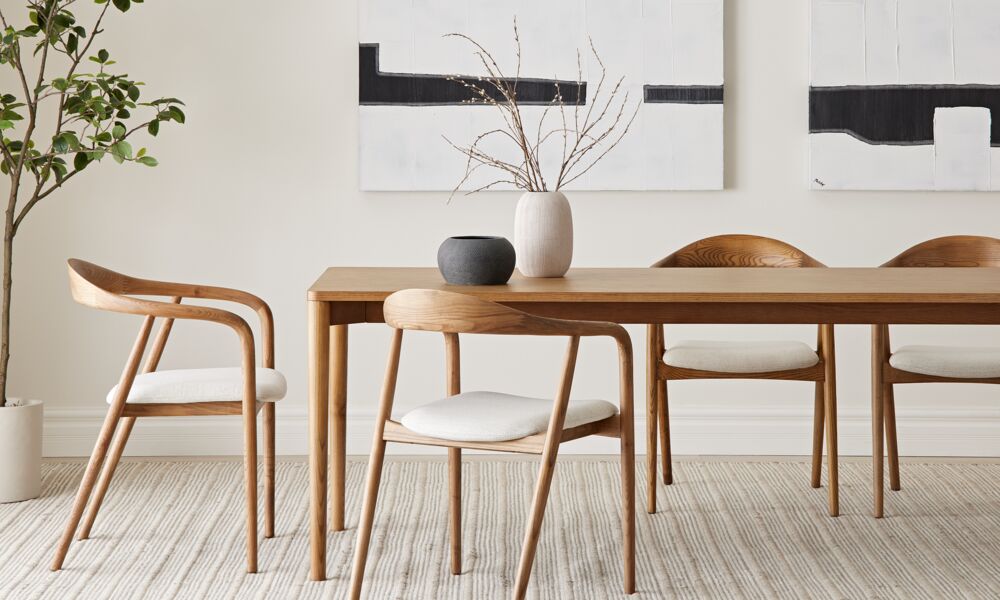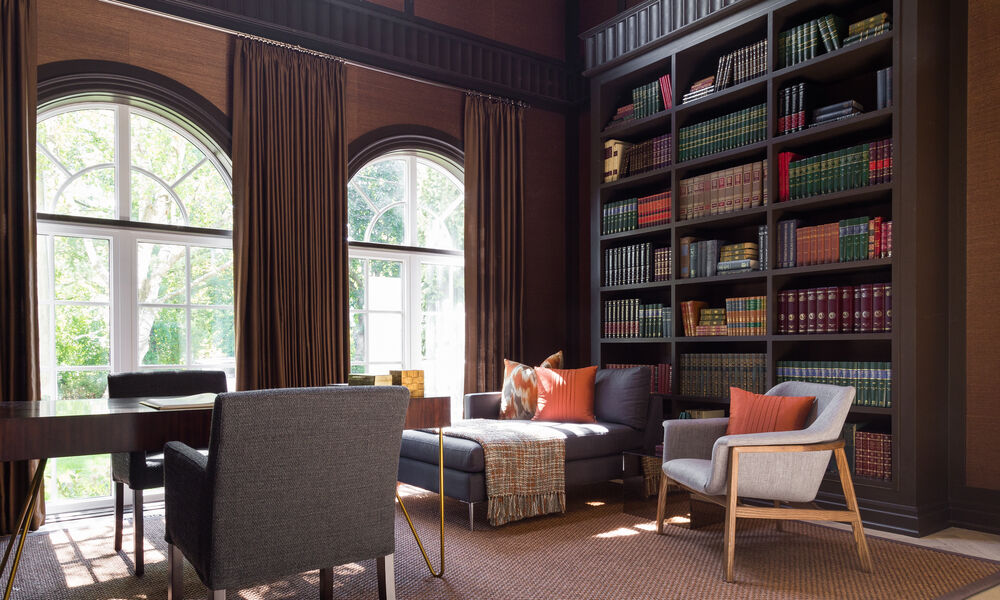
Have you ever walked into a room and felt like something was just slightly off? Not wrong, exactly, but not quite finished either. It often comes down to a few overlooked details rather than a major design issue. The good news is that you don’t need a full redesign to shift the feeling of a space. A few easy design updates can elevate any room, making it feel more polished, comfortable, and intentional. These are the changes designers tend to make first, and they often have the biggest impact.
Layer your lighting, not just your fixtures
Lighting is one of the most common things holding a room back. Relying on a single overhead fixture can make even a well-designed space feel flat.
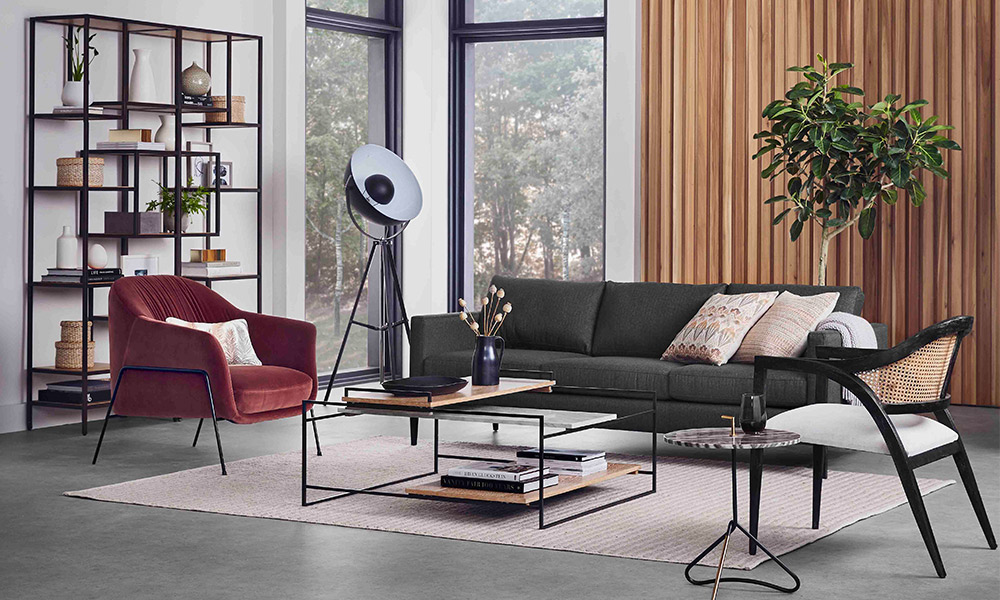
Instead, aim to layer your lighting. Combine overhead lighting with table lamps, floor lamps, or wall sconces to create depth and flexibility. Each source should serve a purpose, whether it’s ambient light for the whole room, task lighting for reading, or softer accent lighting to highlight a corner or piece of art.
Pay attention to bulb temperature as well. A warm white (around 2700K–3000K) creates a more inviting atmosphere and helps a room feel relaxed rather than overly bright. Even adding one or two new light sources is one of the easiest design updates to elevate any room.
Anchor the room with a rug or wall treatment
If a room feels unfinished, it’s often missing a strong visual anchor. This is where rugs and wall treatments come in.
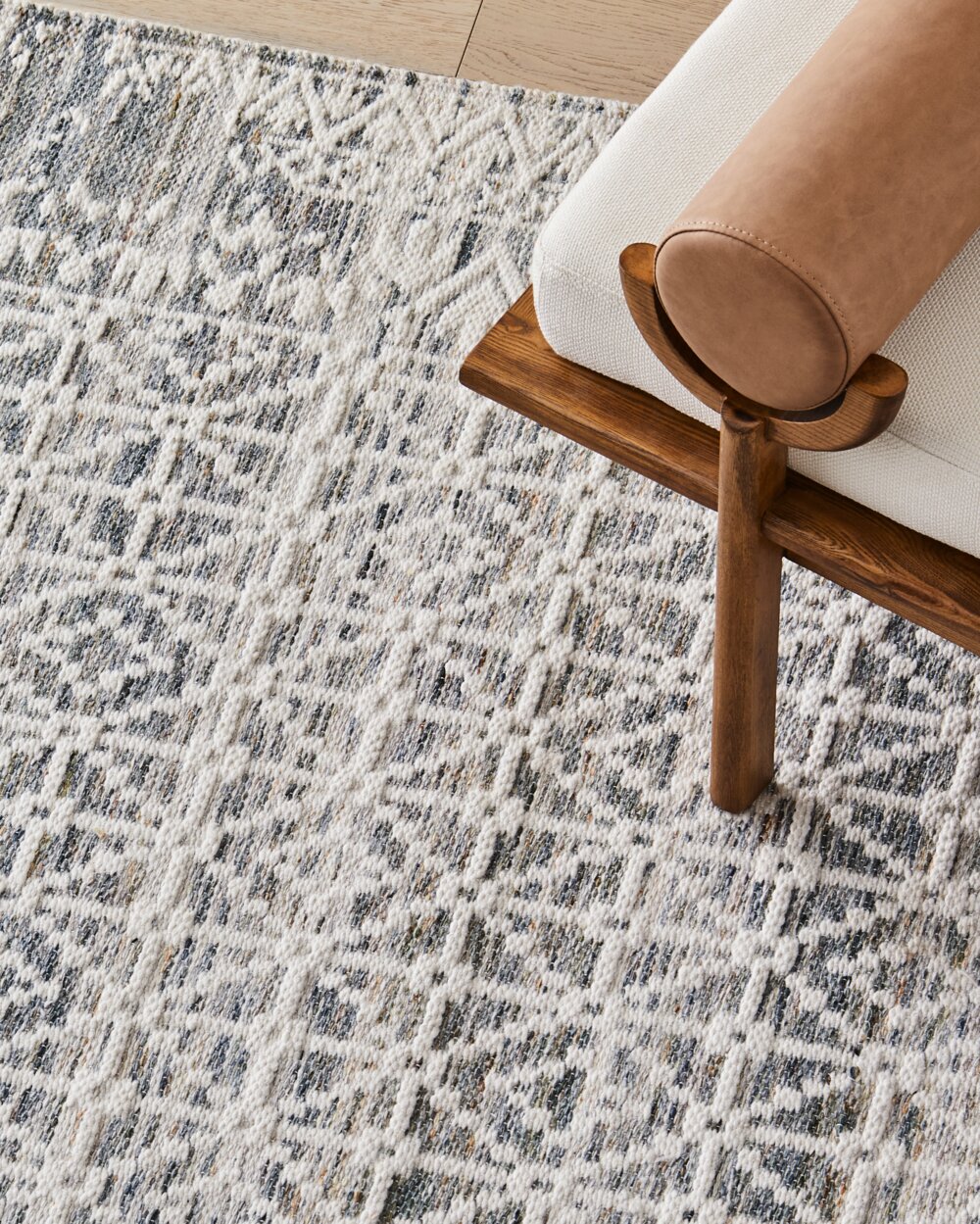
An area rug helps define the space and brings everything together. The key is scale. A rug that’s too small can make the room feel disjointed, while a properly sized rug creates cohesion and balance. Ideally, your main furniture pieces should sit at least partially on the rug.
On the walls, consider adding subtle interest rather than bold contrast. A textured-look wallpaper, a soft pattern, or panel moulding in a tone-on-tone finish can add depth without overwhelming the space. These kinds of easy design updates help a room feel more grounded and complete.
Edit what feels heavy or overcrowded
One of the simplest ways to elevate any room is to remove a few things.
Clutter doesn’t just mean mess. It can also mean too many accessories, oversized pieces, or furniture that doesn’t quite fit the space. When everything competes for attention, the room loses clarity.
Start by clearing surfaces and editing down what’s on display. Keep a few meaningful or well-scaled pieces and let them stand out. If the room still feels crowded, consider removing or repositioning one piece of furniture to create more breathing room.
A more edited space will almost always feel lighter, calmer, and more refined.
Style with intention, not just decoration
It’s easy to add objects to a room, but styling is about how those pieces work together.
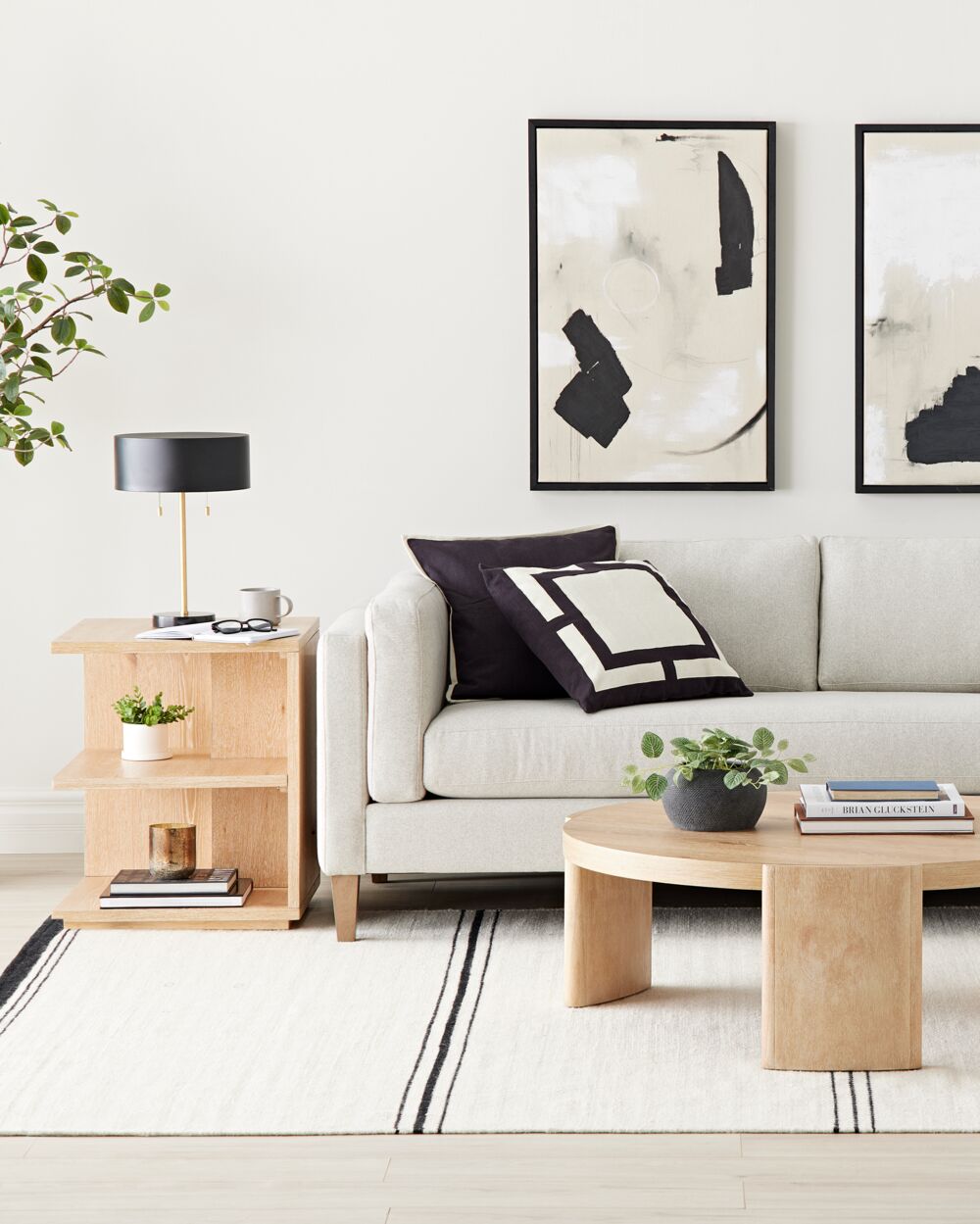
Look for opportunities to create small, intentional moments. A stack of books with a sculptural object, a tray with a few everyday essentials, or a simple arrangement on a coffee table can make a space feel complete.
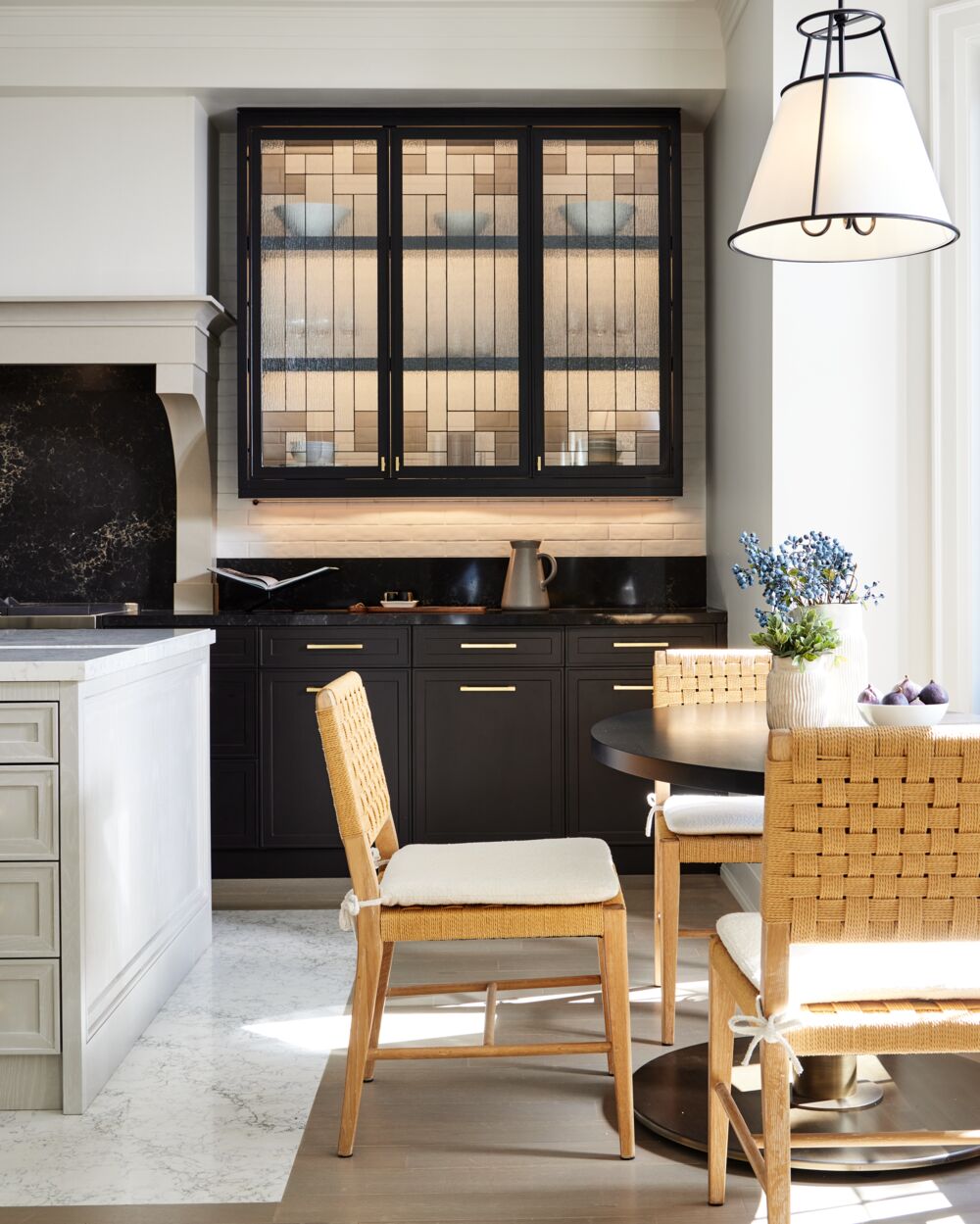
In the kitchen, this might mean swapping out purely functional items for pieces that are both useful and visually appealing, like a stoneware pitcher or a wooden serving board. In a living room, it could be refining how pillows are layered or how artwork is grouped.
When styling is considered rather than incidental, it naturally elevates any room.
A few thoughtful changes can shift everything
The most effective easy design updates are often the simplest. By improving your lighting, adding a strong visual anchor, editing what feels excessive, and styling with intention, you can completely change how a room feels.
These small adjustments bring clarity and balance to a space, helping it feel more polished, more comfortable, and ultimately, easier to live in every day.
Photography by Hudson’s Bay (1), A Plus Creative (2), Stacey Brandford (3)