
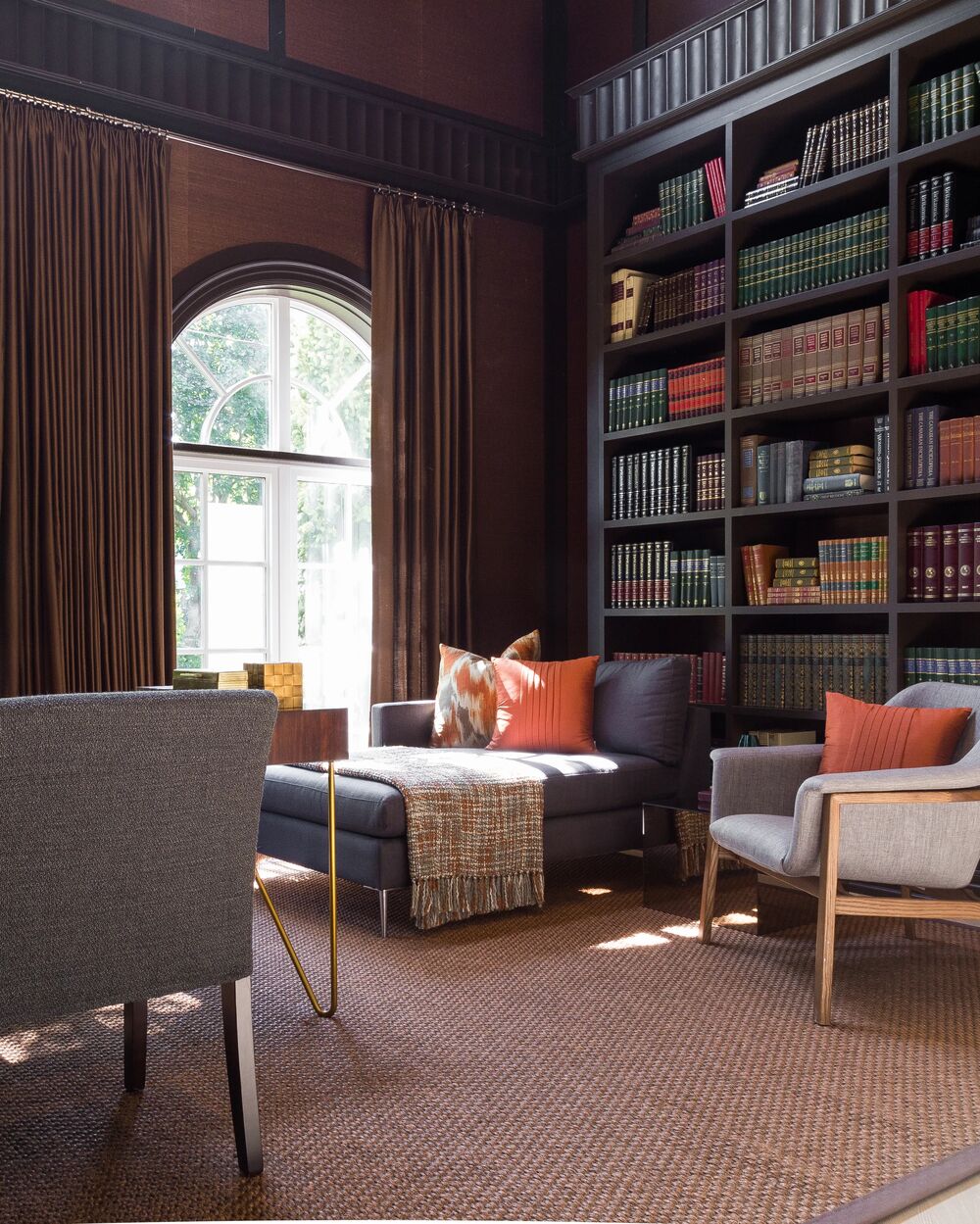
Choosing colours for a room can feel like a lot — but the process gets much easier once you know where to start. Interior designer Brian Gluckstein approaches colour with intuition, inspiration, and thoughtful editing, and the same approach works beautifully at home. Here’s how to find a colour palette that feels personal, cohesive, and right for your space.
Start by Gathering Inspiration
Before any paint chips or fabric swatches come into play, begin with images. Collect photos of rooms, materials, and colour combinations that appeal to you. Once you have 20 or 30 together, patterns will start to emerge — maybe a pull toward soft neutrals, layered florals, or something richer and moodier.
This step is especially helpful if you’re not quite sure what direction you want to go. Seeing your instincts reflected back in a collection of images makes it much easier to identify what you’re actually drawn to.
Let Textiles Lead the Way
Paint is one of the easiest things to change, which is exactly why it shouldn’t come first. Instead, anchor your palette with something more fixed — a rug, a piece of art, a fabric you love, or upholstery you’re committed to. These pieces carry clear signals about tone, texture, and mood.
Once you have that anchor, build outward from it, selecting complementary shades for walls, drapery, and decorative accents. Starting here ensures your palette feels connected rather than assembled from separate decisions.
Choose a Mood, Not a Direction
Rather than worrying about which way your windows face, start with the atmosphere you want to create. Do you want the room to feel bright and airy? Warm and enveloping? Calm and understated?
That desired mood becomes your guide. When you’re clear on the feeling you’re after, the right colours tend to reveal themselves — and the ones that don’t fit become easier to set aside.
Decide How Much Colour You Want
Building a colour palette isn’t an exact science — there’s no rule about how many colours a room can hold. In more traditional spaces layered with pattern and texture, a rich, multi-hued palette can feel completely at home. In a quieter, more monochromatic room, the palette might focus on subtle variations of a single hue.
Rather than counting colours or following percentages, think about how the elements interact with each other. Walls, drapery, and flooring often form the “envelope” of a room — the backdrop that holds everything together and gives patterns and accents a place to land.
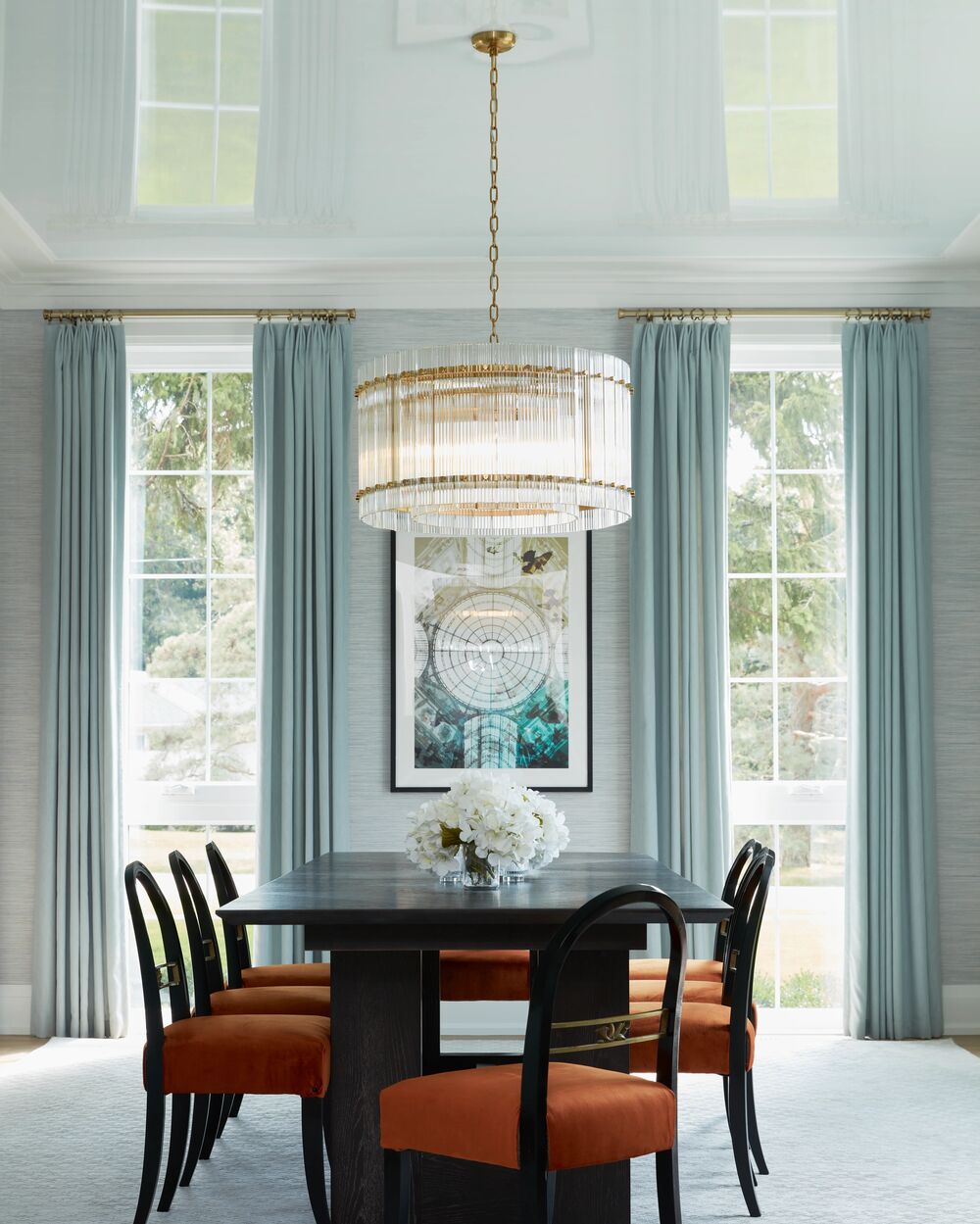
Stay Within a Warm or Cool Colour Family
Undertones matter more than most people realize. To keep a colour palette feeling harmonious, try to work within either warm or cool tones rather than mixing both. This applies across paint, fabrics, flooring, and finishes — when the undertones align, everything reads as intentional and connected.
Test Samples in Your Own Light
One of the most common colour mistakes is choosing paint or wallpaper without seeing it properly in your own space. Colours shift significantly depending on the light in a room and the furnishings around them — what looks perfect in a store can read completely differently at home.
Use a sample at least a foot square, put a few options on the wall at the same time, and live with them for a couple of days. Watch how they change from morning to evening, and view them alongside the fabrics, rugs, or other materials you’re planning to use. This step alone can change everything.
Keep Returning to What You Love
If you ever feel stuck, go back to your inspiration. A strong collection of images will always point you in a direction, whether that’s toward soft, quiet neutrals or something unexpected and bold.
Choosing a colour palette isn’t about following rules — it’s about discovering what resonates and building the room around that feeling. Start with inspiration, let the materials you love guide your choices, test samples carefully, and trust what you’re drawn to. With a little patience, you’ll find a palette that makes your home feel layered, welcoming, and entirely your own.
Photography by Danika Zandboer (1), Kim Jeffery (2)
