
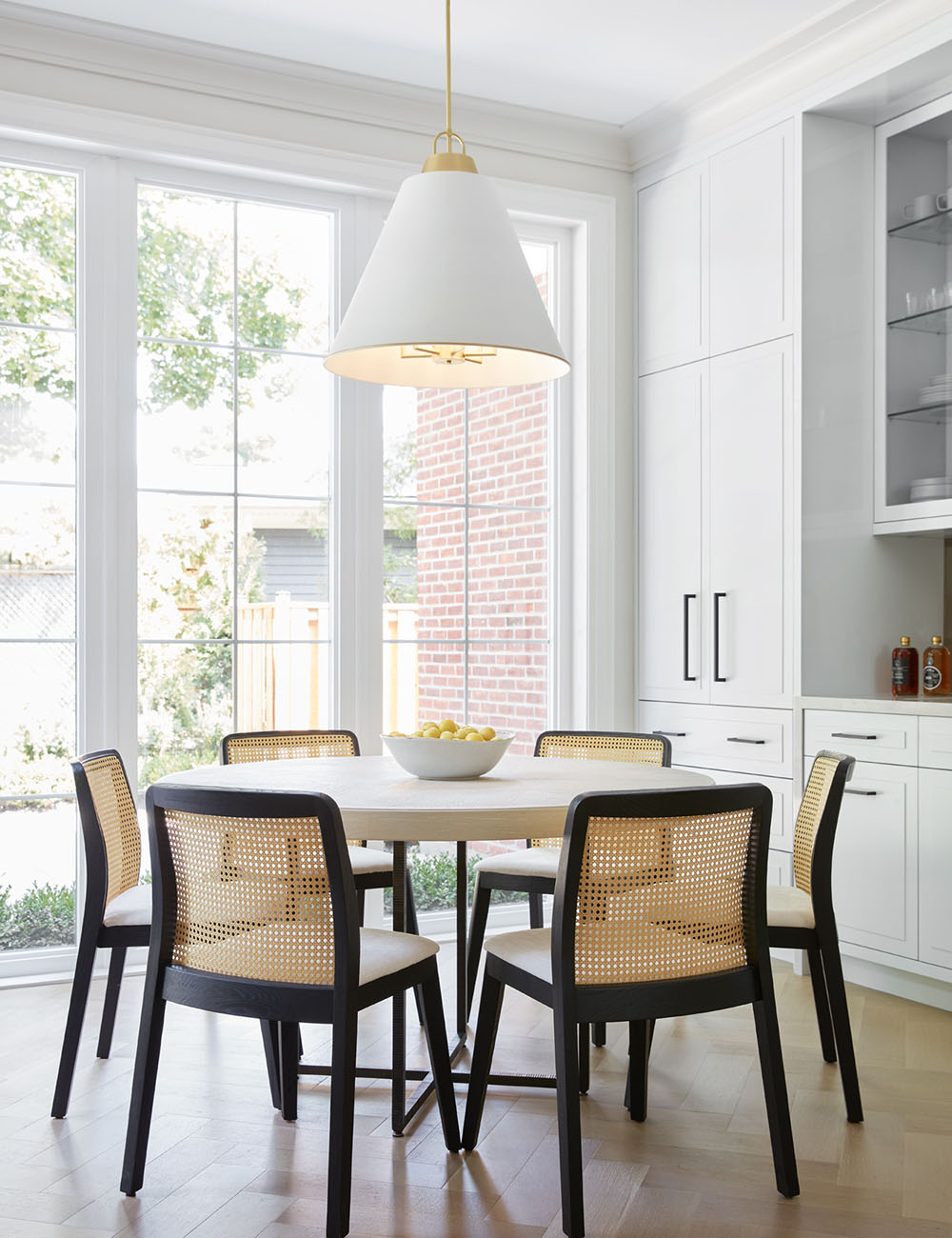
Style matters when it comes to lighting — but size matters just as much. A fixture that’s too small gets lost in a room, while one that’s too large takes over everything around it. Getting the proportions right is what makes a space feel pulled together.
Whether you’re hanging a chandelier above your dining table or hunting for the perfect bedside lamp, here’s how to make sure your lighting fits the room.
Start with the Room Itself
Before you fall in love with a fixture, look at your room’s dimensions. Larger rooms — especially those with high or vaulted ceilings — can carry bigger, bolder pieces. Think dramatic chandeliers, multi-tier pendants, or oversized flushmounts that would feel excessive in a smaller space.
In a room with lower ceilings, a more compact fixture will give you the light you need without making the space feel crowded.
A quick guideline: add together the room’s length and width in feet, then use that number in inches as a rough guide for your fixture’s diameter. So in a 12-by-14-foot room, you’re looking at a fixture around 26 inches wide. It’s not an exact science, but it’s a solid starting point.
Think About Eye Level
Lighting isn’t just about what hangs from the ceiling — it’s about where the light lands when you’re actually using the room. Whether you’re reading on the sofa, working at a desk, or winding down in bed, the bottom of your lamp shade should sit just below eye level when you’re seated. That way, you get soft, comfortable light without glare.
Before you shop, take a quick measurement from the floor or tabletop to your eye height when sitting. It only takes a minute and saves a lot of second-guessing on lighting size later.
Match the Lamp to the Table
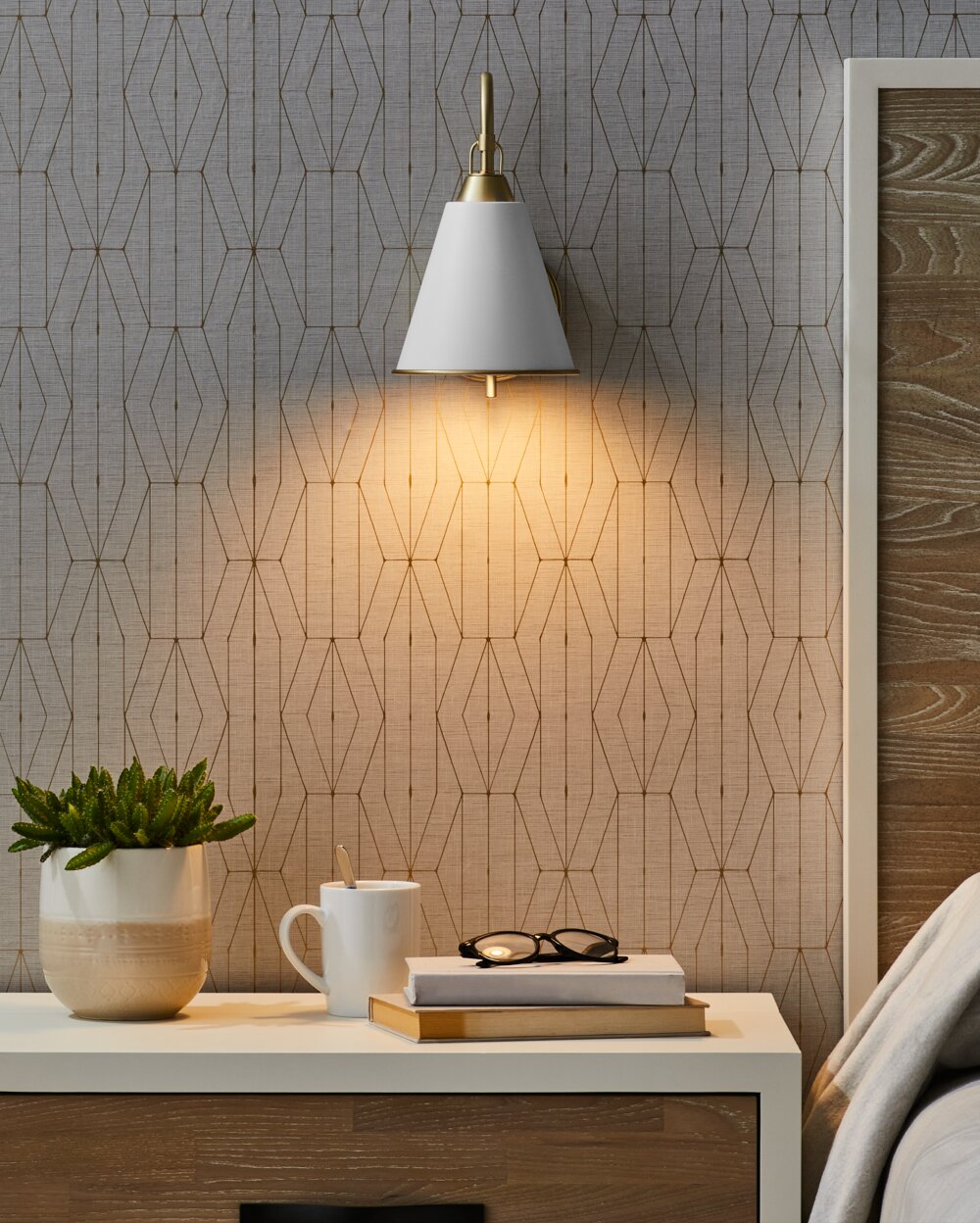
The lamp and the table it sits on should feel like they belong together. A tall, wide lamp on a small side table tips the balance — it visually dominates the surface and leaves no room for anything else. If your side table is on the petite side, a floor lamp nearby is often a better choice, keeping the tabletop free for books, a candle, or whatever else you like to have within reach.
For larger tables, a table lamp works well — just keep it in proportion. A good guideline is to choose a lamp no more than one and a half times the table’s height, with a shade narrower than the tabletop. That keeps the look balanced without the lamp competing with everything around it.
Size Lighting to the Furniture Below
When a light fixture hangs above a table or island, the furniture underneath sets the scale. A long dining table can hold a linear chandelier or a row of pendants; a smaller round table looks best anchored by a single fixture centered above it.
Aim for a fixture diameter that’s about two-thirds to three-quarters of the table’s width. Leave roughly six inches of clearance between the fixture’s edge and the edge of the table below. And always center the light directly above the surface — it sounds obvious, but an off-center pendant is one of those things you can’t stop noticing once you’ve seen it.
Layer Your Lighting
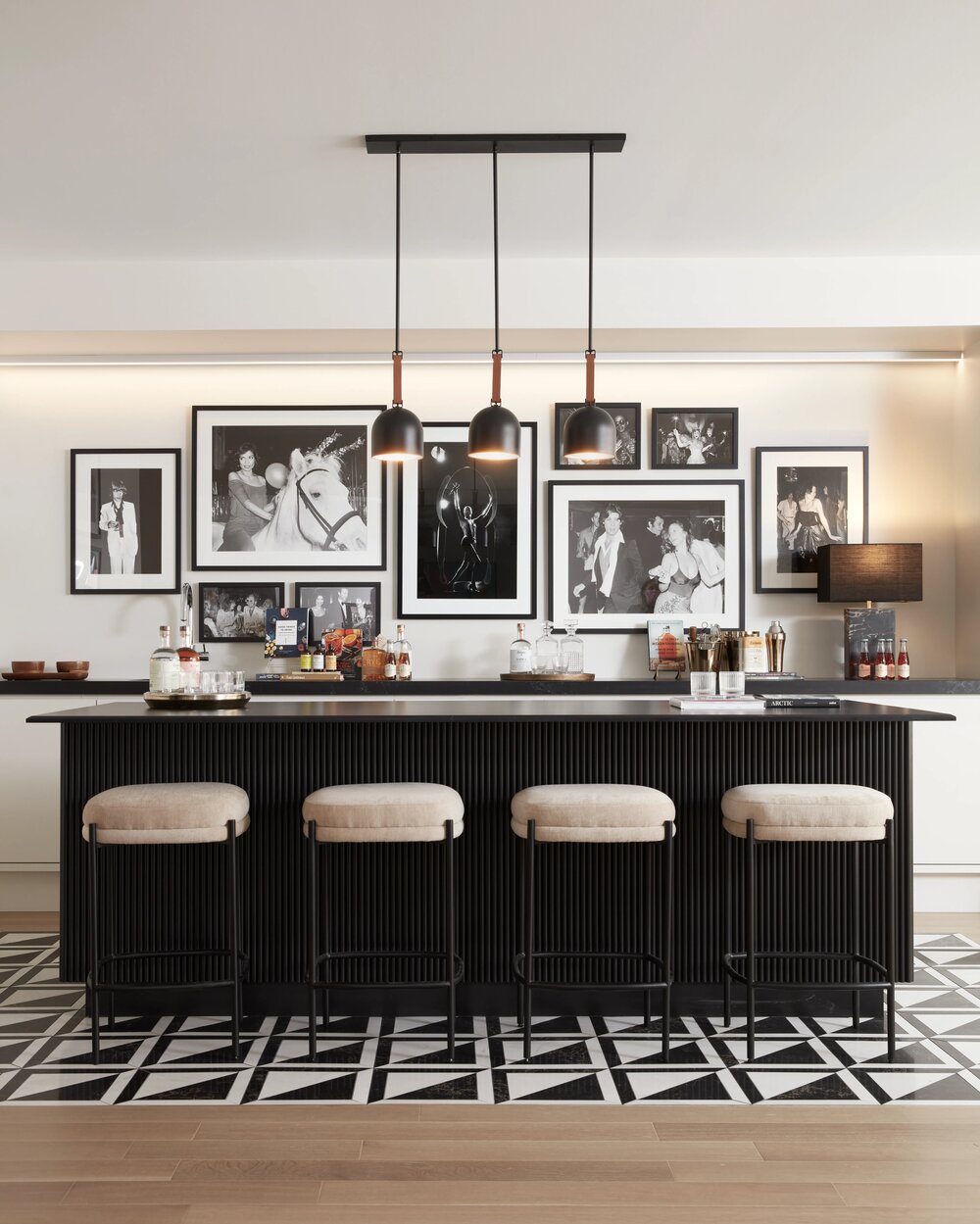
No single fixture can do everything. The rooms that feel most inviting usually have lighting at multiple sizes and heights — a ceiling fixture, a couple of sconces, a floor lamp in the corner, maybe a table lamp or two. Together, they create a mix of ambient, accent, and task lighting that makes a room feel warm and considered rather than flatly lit.
When each piece is scaled to its surroundings, the whole composition comes together naturally. It doesn’t feel decorated — it just feels right.
Getting lighting proportions right doesn’t require a design degree. A little measuring, a few good guidelines, and an eye for balance go a long way. Whether it’s a statement chandelier or a simple reading lamp, the right fixture enhances your space without you ever having to think about why it works.
Photography by Kim Jeffery (1, 3), A Plus Creative (2)
