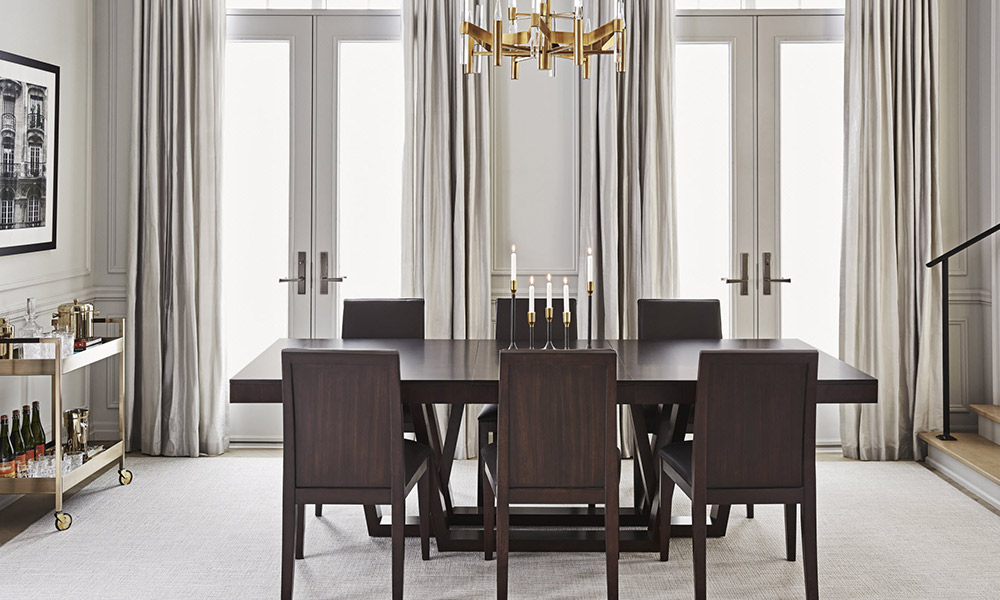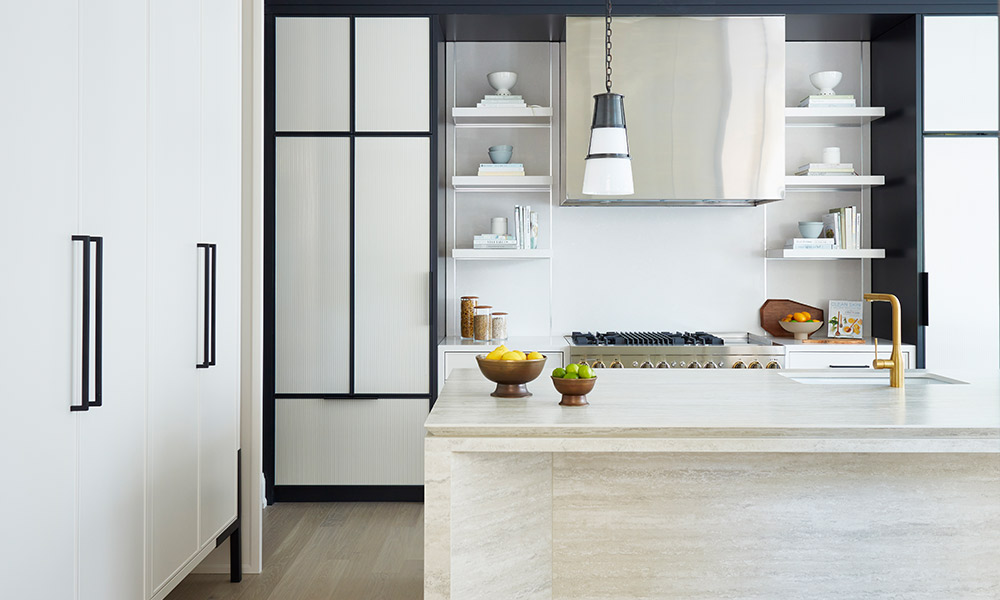
Neutral rooms are often associated with calm, timeless style. But without the right balance, they can feel flat or unfinished. In most cases, it comes down to how colour, material, and light are layered within the space. When thoughtfully designed, a neutral room can feel warm, inviting, and effortlessly comfortable. If you’re looking to add warmth to a neutral room, a few intentional changes can shift the overall feeling and help the space feel more relaxed and complete.
Build your palette with light and contrast
A neutral space doesn’t mean using just one shade. The most successful rooms layer a range of tones to create depth and visual interest. Starting with a primary neutral, bring in lighter and darker variations to create balance across the room.
For example, a soft, creamy wall colour paired with a slightly deeper rug or upholstery helps ground the space, while darker accents add definition. This mix of light and contrast gives the room structure and keeps it from feeling one-dimensional, all while maintaining a cohesive look. It’s also one of the simplest ways to add warmth to a neutral room without introducing bold colour.
Layer in texture to create depth
Texture is what gives a neutral room its richness. Without it, even a well-designed space can feel flat. A mix of materials helps introduce variation while keeping the palette restrained.
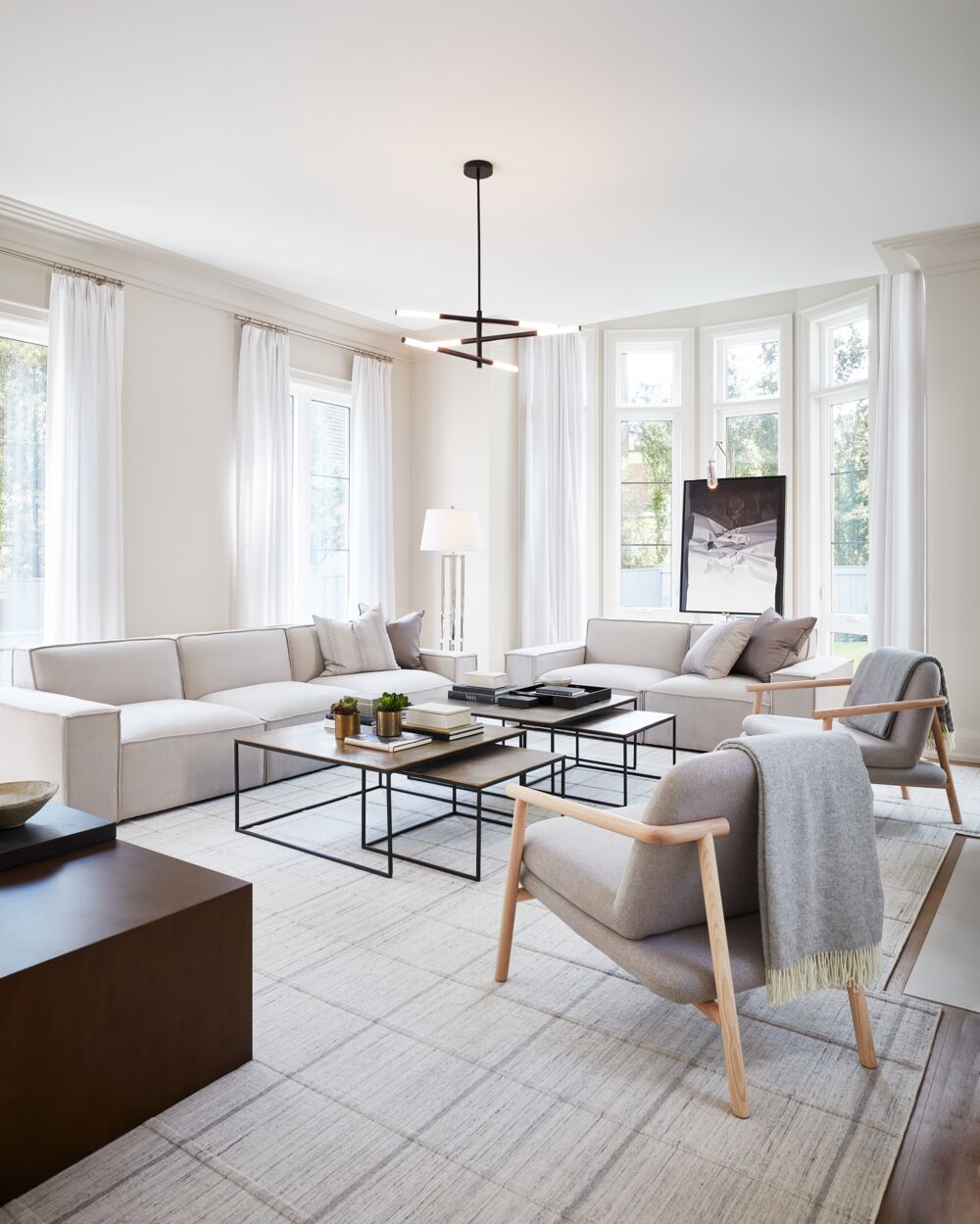
Look for combinations that feel different to the eye and touch. A woven area rug, a soft throw, linen cushions, and smooth wood finishes all contribute to a more layered space. In a bedroom, bedding in closely related neutral tones adds softness and dimension while maintaining a calm, cohesive palette. Even smaller details, like a textured-look wallpaper or a subtly ribbed ceramic piece, can add interest. These layers work together to add warmth to a neutral room in a way that feels natural rather than styled.
Choose warm undertones throughout
Undertones have a quiet but important impact on how a room feels. Warmer tones tend to create a softer, more inviting atmosphere, while cooler tones can feel more crisp and restrained.
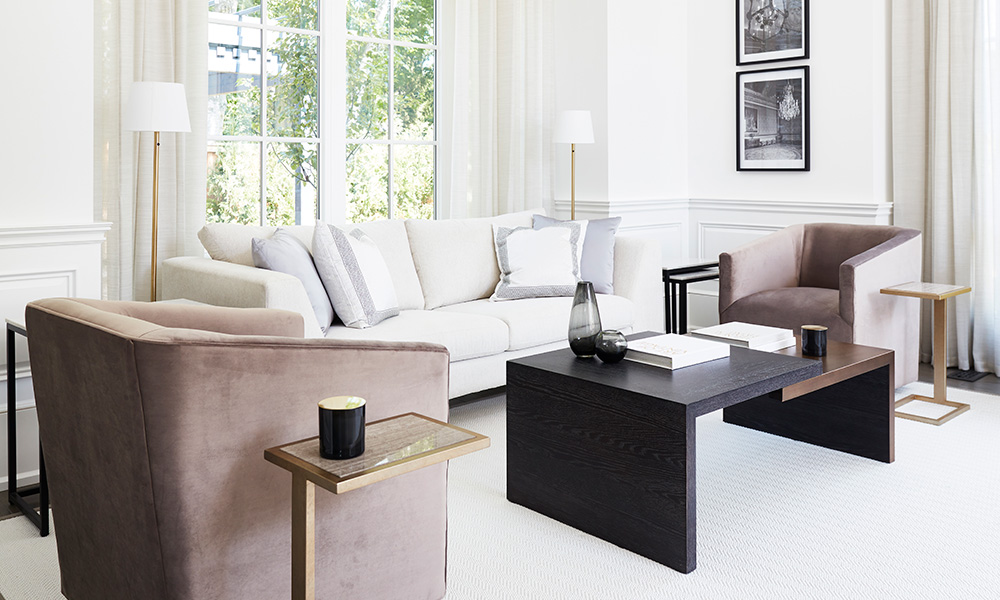
Instead of cooler greys, consider soft taupes, warm whites, and sandy beiges. In fabrics and finishes, look for hints of cream, caramel, or muted gold. These tones reflect light in a way that feels more relaxed. If you’re unsure, compare materials against a true white. Warmer tones will reveal subtle notes of yellow, red, or beige, which helps keep the palette cohesive.
Bring in natural materials and warm metals
Natural materials help ground a neutral room and add a sense of ease. Wood, in particular, introduces warmth and a connection to something organic.
Light or medium wood tones work well across a range of styles, whether used in furniture, accent chairs, or tables. Pair these with warm metals such as brushed brass or bronze to add depth. These finishes bring in a soft glow that enhances the overall atmosphere without feeling overly styled, and they help add warmth to a neutral room in a way that feels effortless.
Use lighting to soften the space
Lighting plays a significant role in how warm a room feels. Even a well-balanced neutral palette can feel cool under harsh or limited lighting.
Layering your lighting helps create a more comfortable atmosphere. Combine overhead fixtures with table lamps or floor lamps to bring light into different areas of the room. Warm white bulbs will create a softer glow, while additional light sources help eliminate darker corners. The result is a space that feels more inviting throughout the day.
Finish with thoughtful, personal details
The final layer is what makes a room feel lived-in. Accessories don’t need to be numerous, but they should feel intentional.
A simple arrangement on a coffee table, a stack of books, or a piece of artwork can introduce personality without overwhelming the space. Greenery also adds a natural element that works well within a neutral palette. These details help bring everything together in a way that feels considered but still relaxed.
A neutral room should feel anything but flat
Adding warmth to a neutral room is less about introducing bold colour and more about how the space is layered. When tone, texture, materials, and lighting are working together, the room naturally feels more balanced and inviting.
With a few thoughtful adjustments, you can add warmth to a neutral room in a way that feels effortless, creating a space that is comfortable, timeless, and easy to live in every day.
Photography by Angus Fergusson