
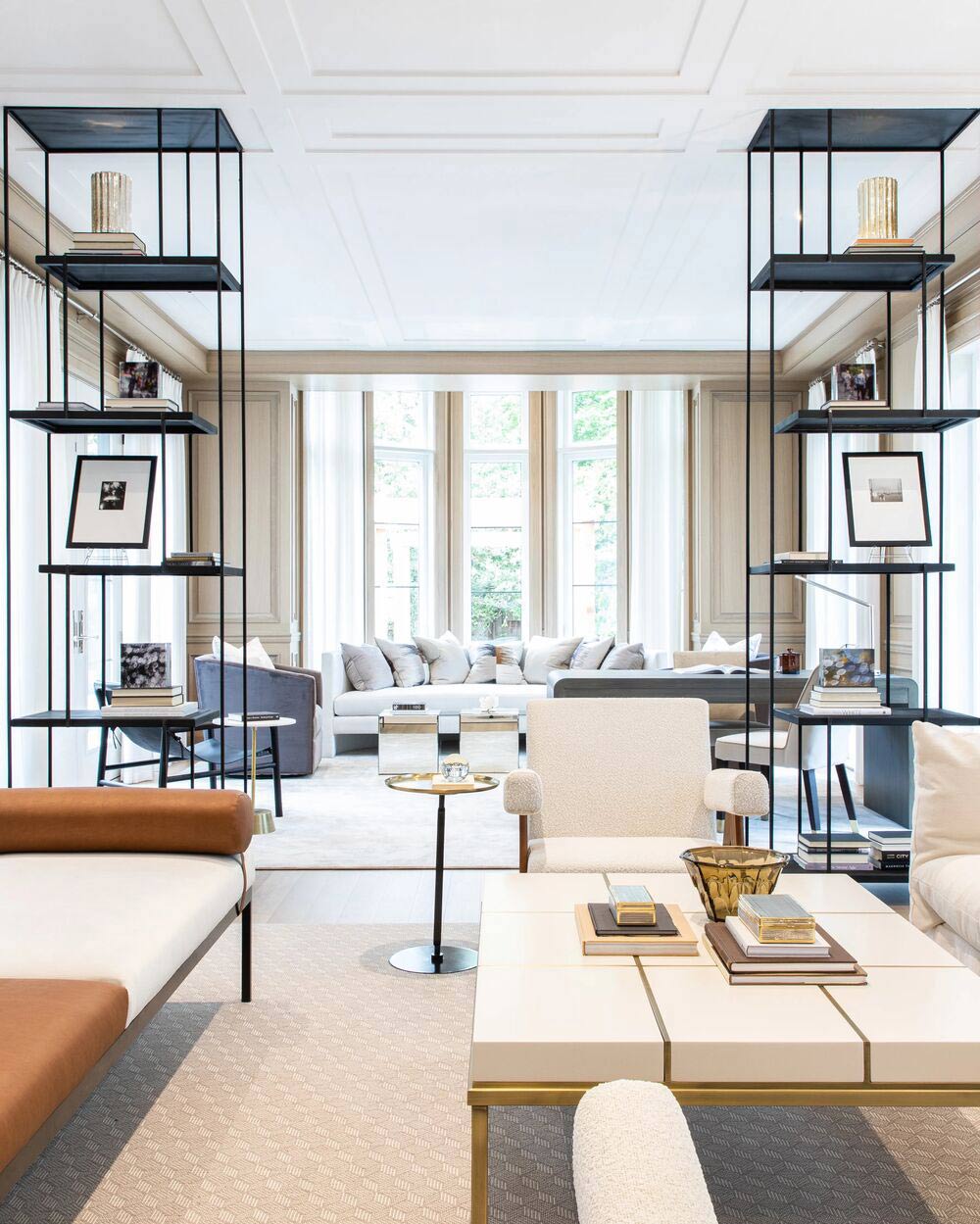
Calm doesn’t always come from a full redesign. More often, it comes from a few small, thoughtful shifts that quietly change how a space feels. Turning off a harsh light, editing a surface, or adding a single soft layer can have far more impact than you might expect. When a room feels unsettled or overstimulating, it’s usually not because you need more — it’s because something needs to be softened, simplified, or rebalanced.
If you’re thinking about how to make a room feel more calm, these are changes you can make in minutes, using what you already have. There’s no need to organize every drawer or head out shopping. A few intentional edits are often enough to help a space feel quieter and more grounded.
Turn Off the Big Light
Overhead lighting has its place, but it’s rarely the most flattering or calming option, especially in living rooms and bedrooms. When everything is evenly lit from above, the space can feel flat and slightly tense rather than relaxed.
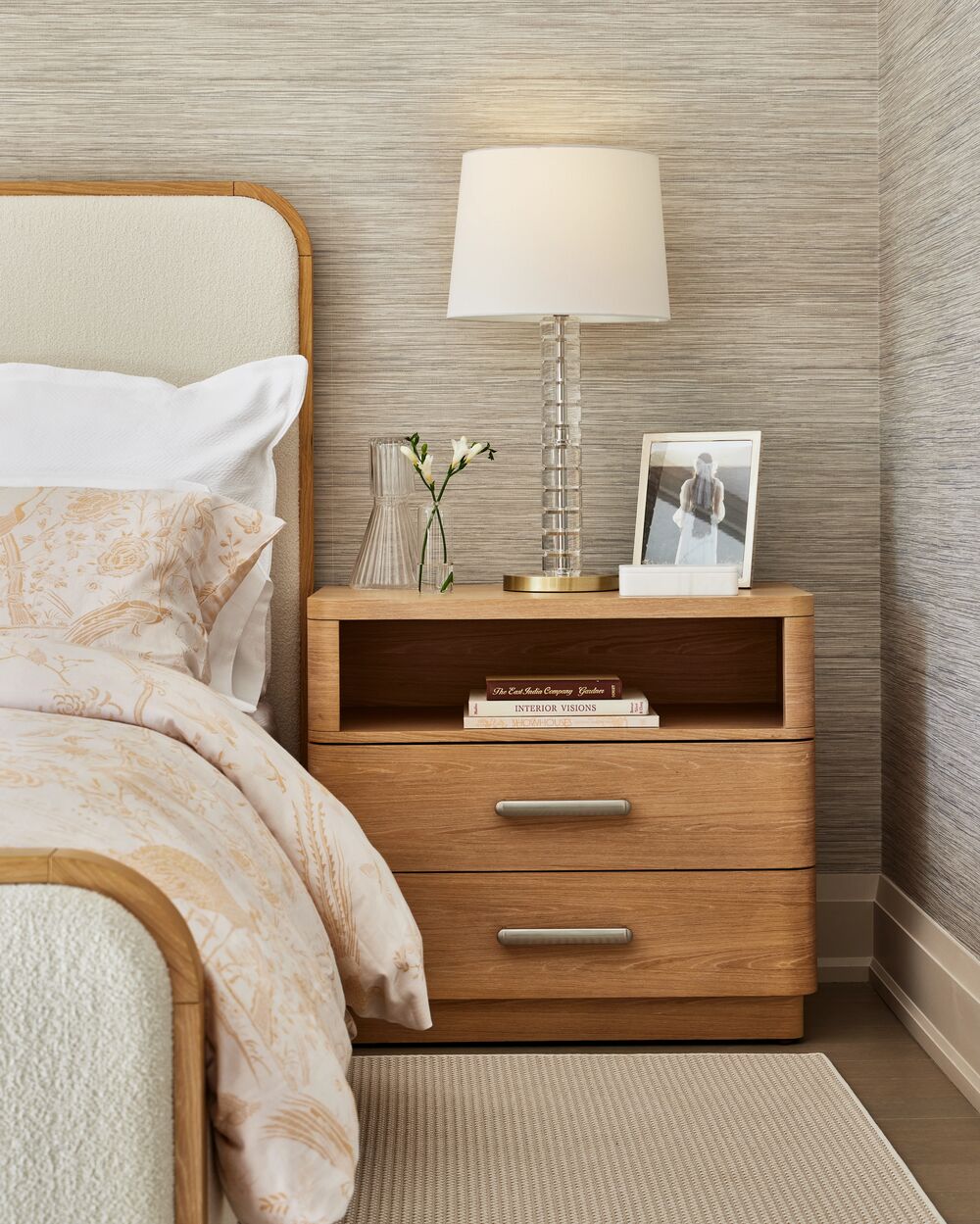
Layered lighting creates a very different effect. Table lamps, floor lamps, and wall sconces introduce softer pools of light that feel warmer and more natural. Bulbs in the 2700K to 3000K range are particularly well suited to spaces where you want to unwind, helping set a tone that feels gentle rather than overly bright. This single adjustment can noticeably change the mood of a room.
Edit One Busy Surface
You don’t need to declutter your entire home to feel calmer in it. Focusing on one surface — a coffee table, kitchen counter, or bedside table — is often enough to make a difference.
Start by clearing everything off, then thoughtfully add back only what you truly love or use every day. That might be a book you’re currently reading, a lamp you turn on each evening, or one object that feels personal and meaningful. Negative space isn’t about leaving things empty; it gives the eye a place to rest. This kind of small-scale editing is one of the simplest ways to make a room feel more calm without changing anything else.
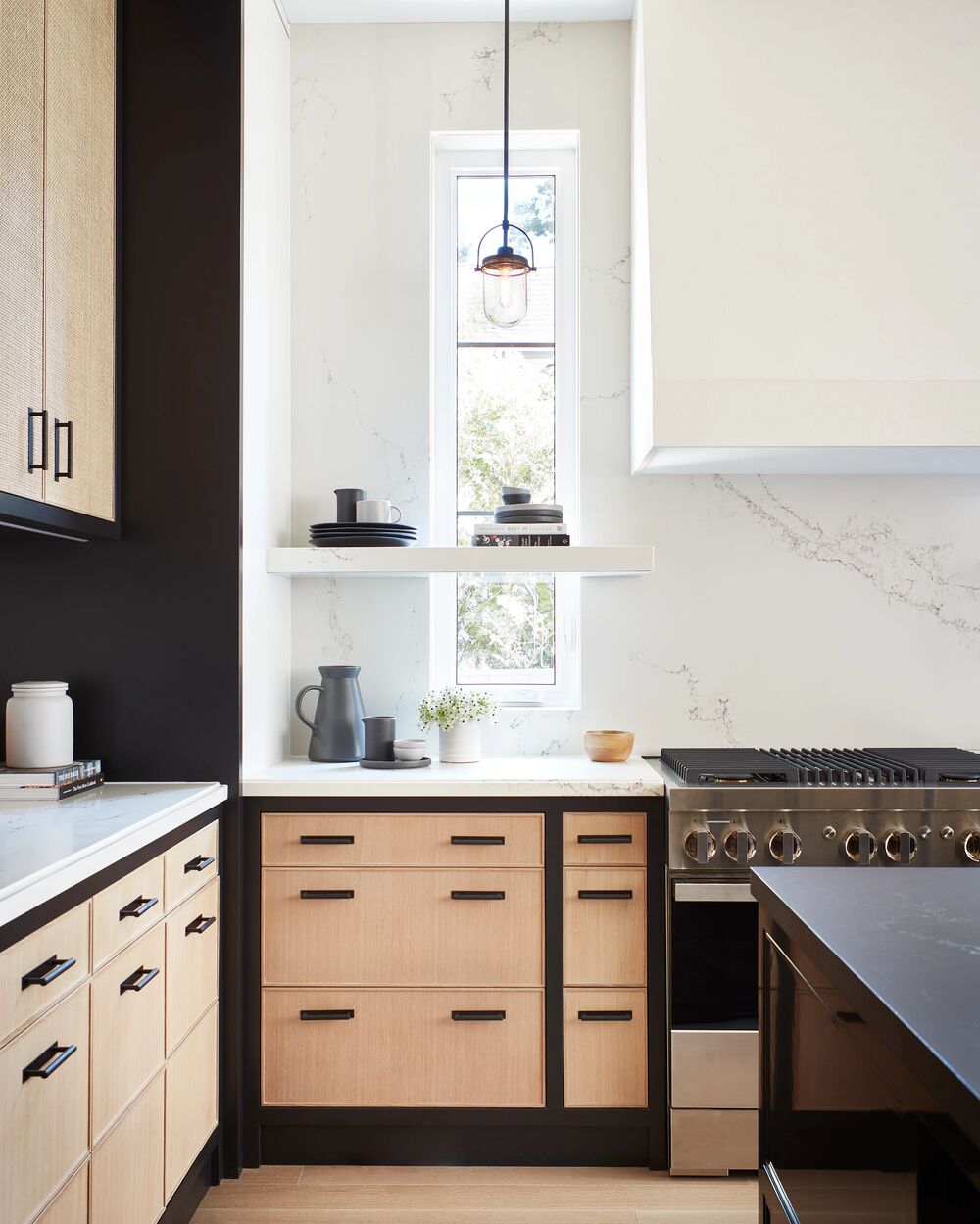
Soften What’s Already There
Before adding anything new, look at what you can gently adjust. Cushions can be straightened so they feel intentional without looking stiff. A tightly tucked throw can be loosened. A chair can be rotated slightly to make the layout feel less formal.
Rooms that feel calm usually have a relaxed quality to them. They look lived-in rather than overly styled. Small changes like these help a space feel more human and approachable, without moving furniture or introducing new pieces.
Add One Soft Texture
Many rooms lean heavily on hard surfaces like wood, stone, metal, and glass. Introducing a single soft element helps balance that mix and brings a sense of comfort into the space.
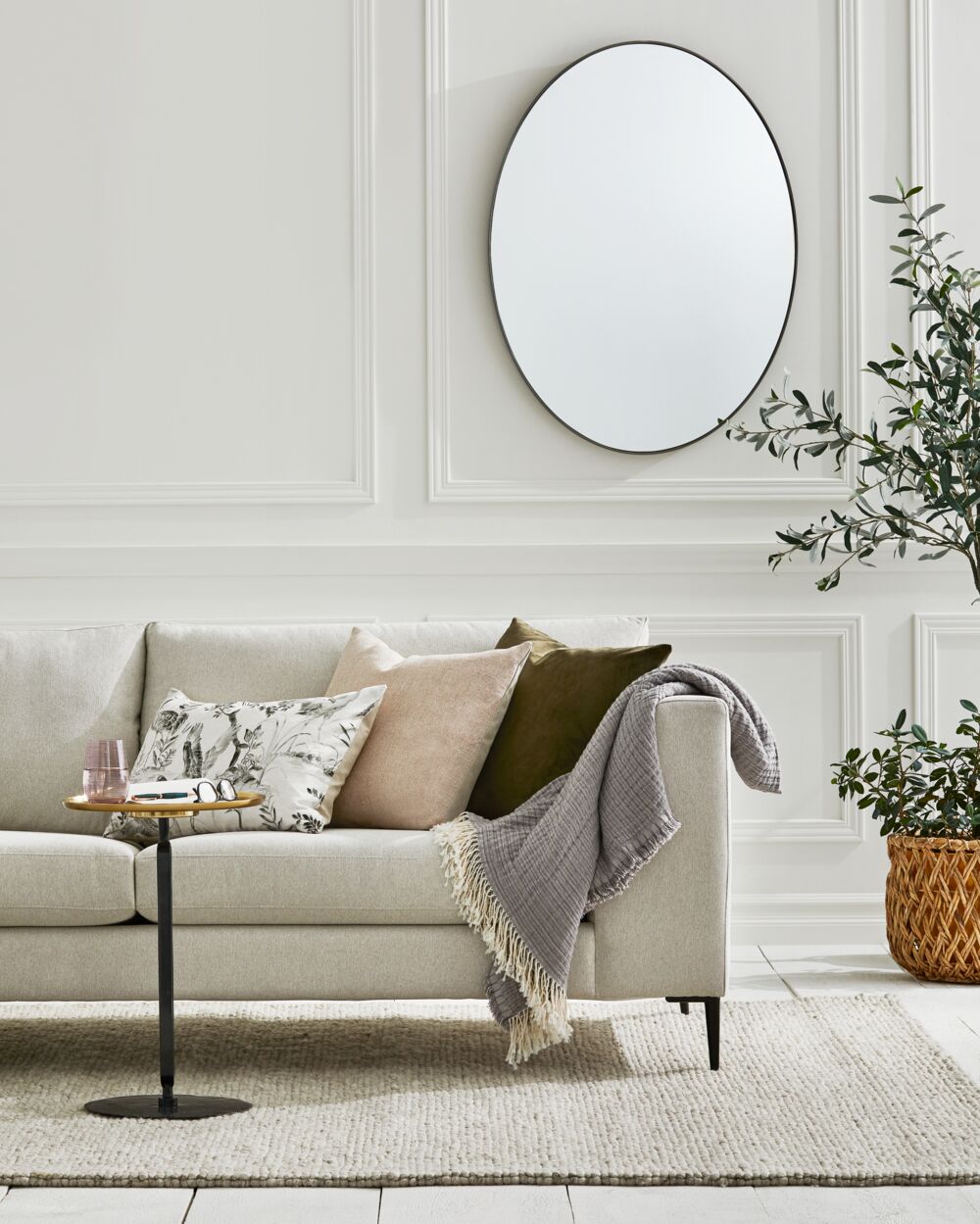
A throw draped over the arm of a chair, a textured pillow on a sofa, or an area rug to ground the seating area can all work beautifully. There’s no need to layer on multiple soft elements. One well-placed texture is often enough to add warmth, soften visual noise, and make the room feel more inviting.
Let One Thing Be the Focus
When a room feels visually busy, it’s often because too many elements are competing for attention. Choosing a clear focal point helps bring order to the space. This could be a window, a fireplace, a piece of art, or even a seating arrangement you want to highlight.
Once you’ve identified that focal point, let everything else support it more quietly. You might move smaller objects away from that area, group accessories together instead of spreading them out, or simplify what sits nearby. When the eye has a clear place to land, the room immediately feels more settled and intentional.
A Quieter Home Starts With Smaller Choices
Creating calm isn’t about perfection or minimalism. It’s about being thoughtful with what you already have. When lighting is softened, surfaces are edited, and texture is used with restraint, a room naturally begins to feel more at ease.
The beauty of these changes is how easy they are to undo, revisit, and refine over time. Start small and pay attention to how the space responds. Often, that’s all it takes to rediscover how to make a room feel more calm — and more like a place you want to spend time in.
Photography by Britney Townsend (1), Stacey Brandford (2), Angus Fergusson (3), A Plus Creative (4)
