
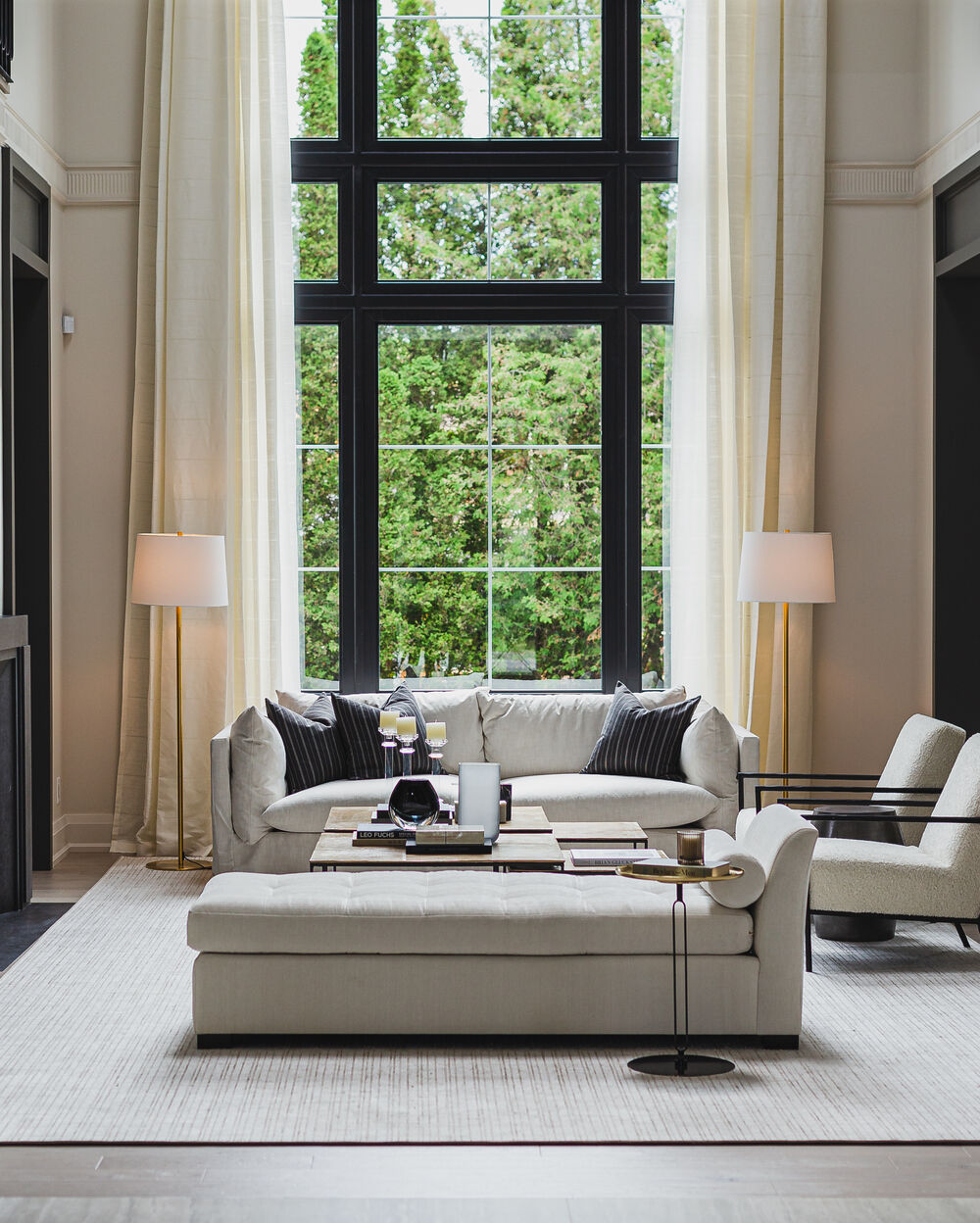
There’s a moment when a room has all the main pieces in place, but something still feels a little off. The sofa is there. The coffee table works. The walls aren’t empty. And yet, the space doesn’t feel quite as pulled together as it could. Often, the difference comes down to proportion, placement, and a few thoughtful finishing details. If you’re wondering how to make a room feel finished, interior designer Brian Gluckstein suggests starting with the details designers notice right away.
Choose a Rug That Anchors the Room
A rug is one of the easiest ways to make a room feel finished because it helps define the space and connect the furniture. When a rug is too small, it can make the room feel disconnected, even if the furniture itself is beautiful.
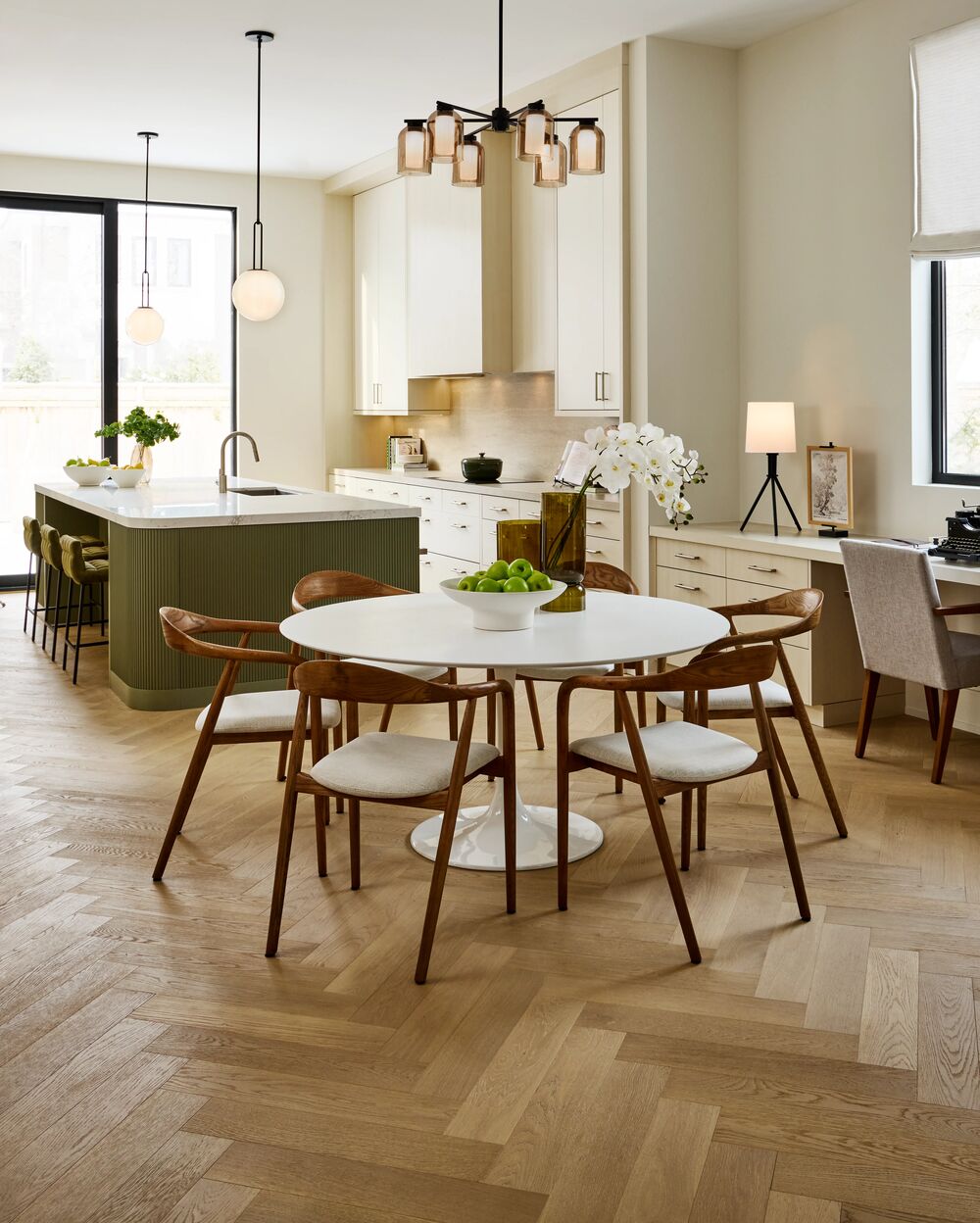
In a living room, the rug should sit under the front legs of the sofa and chairs, or under all the furniture if the room allows. This creates a clear seating area and gives the space a more grounded feeling. In a dining room, the rug should be large enough that chairs remain on the rug when they’re pulled out from the table. It’s a small detail that makes the whole room feel more considered.
Hang Drapery High and Long
Drapery has a big impact on how polished a room feels. Short curtains can interrupt the line of the wall and make the room feel less complete. For a more finished look, hang curtain panels higher than the window frame and let them skim the floor.
This creates the feeling of height and makes the windows appear more generous. It also gives the room a softer, more tailored look. When choosing drapery, think about both fabric and function. A fuller panel will feel more substantial, while the right material can help with privacy, light control, and comfort.
Layer Your Lighting
Lighting is one of the most important details in any room, but it’s often treated as an afterthought. A single overhead fixture can light a space, but it rarely creates atmosphere on its own. To make a room feel finished, layer different types of lighting throughout the space.
Start with ambient lighting, such as a ceiling fixture or recessed lights. Then add task lighting where you need it, like a table lamp beside a reading chair or a pendant over a dining table. Finally, include accent lighting to highlight art, bookshelves, or architectural details. This mix creates depth and warmth, especially in the evening.
Edit Before You Add
When a room doesn’t feel complete, the first instinct is often to buy something new. But sometimes the better move is to edit. Too many accessories, small pieces of furniture, or competing finishes can make a space feel busy rather than finished.
Before adding anything, look at what’s already in the room. Are there pieces that no longer serve a purpose? Is there a table that feels crowded? Could a few accessories be moved, grouped, or removed altogether? Editing gives the strongest pieces room to breathe. It also helps the space feel more intentional.
Let Furniture Create a Conversation Area
Pushing all the furniture against the walls can seem like a way to make a room feel larger. In reality, it can leave the centre of the room feeling empty and disconnected. Furniture often works better when it creates zones, especially in larger living rooms or open-concept spaces.
Try pulling the sofa or chairs a few inches away from the wall. If there’s enough room, float the seating around a coffee table or fireplace. The goal is to create a comfortable conversation area with easy flow around it. Even a small adjustment can make the layout feel more relaxed and purposeful.
Hang Art Where it Connects to the Room
Art is one of the final layers that can bring a room to life, but placement matters. When art is hung too high, it can feel disconnected from the furniture below. Instead, aim to hang art at eye level, or about 8 to 12 inches above a sofa, console table, or headboard.
The piece should feel visually connected to what’s beneath it. Scale matters too. A small piece of art can look lost above a large sofa, while a larger work or a pair of framed pieces can create better balance. This is one of those finishing details that can quietly change the whole feeling of a room.
A finished room doesn’t have to be perfectly styled or filled with new pieces. In fact, the best spaces often feel collected over time. The key is making thoughtful choices about scale, layout, lighting, and what you choose to leave in the room.
Start with one detail, whether that means lowering a piece of art, shifting a chair into a better conversation area, adding a lamp for softer light, or choosing a rug that properly anchors the furniture. These small changes can make a room feel finished in a way that’s comfortable, personal, and easy to live with.
Photography by Britney Townsend (1), Stacey Bradford (2)
