
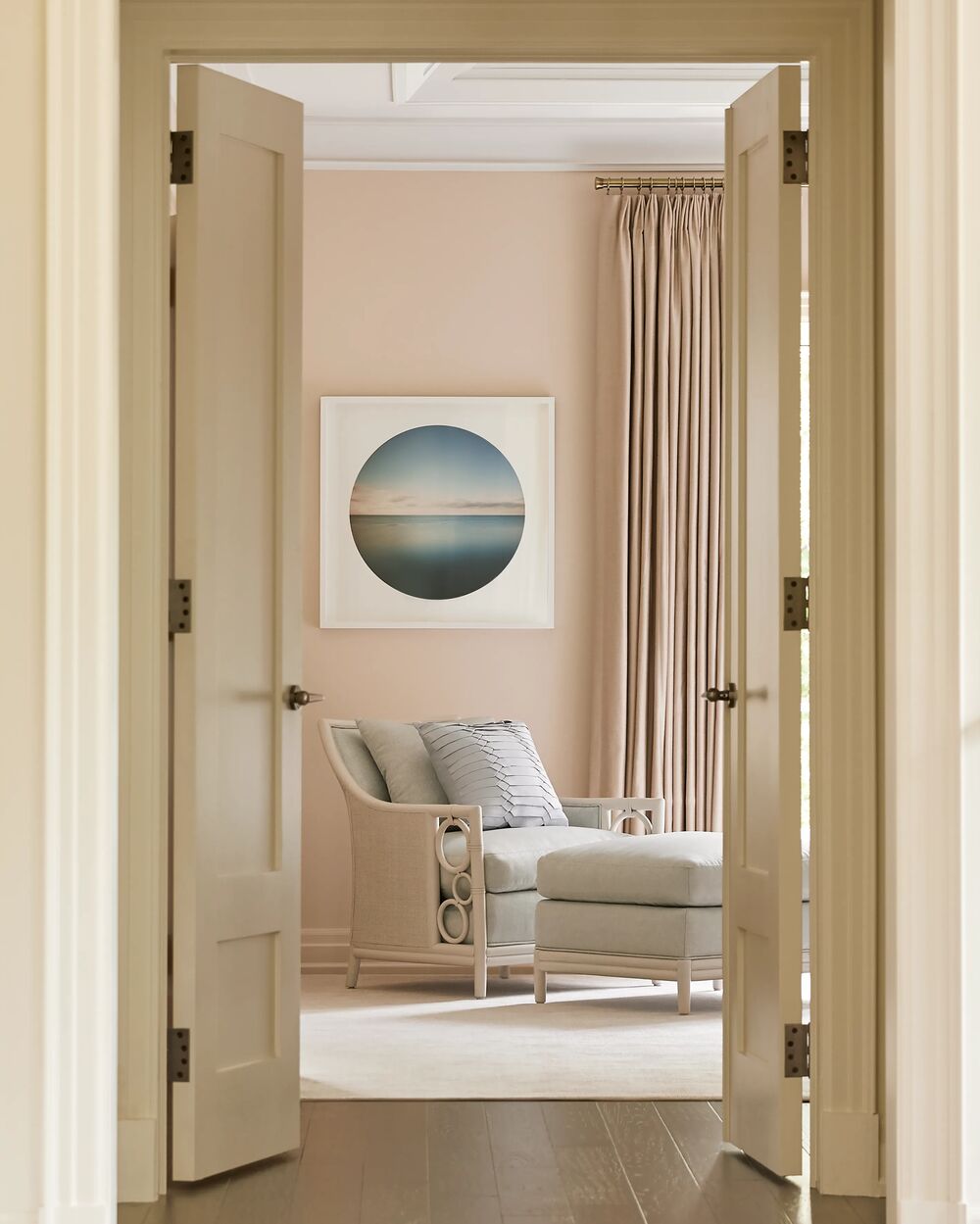
A bedroom should feel like a retreat at the end of the day. Not necessarily formal or perfectly styled, but calm, comfortable, and thoughtfully put together. The right design choices can make the room feel softer, more personal, and more restful without requiring a full redesign. These bedroom design ideas focus on the details that make the biggest difference: bedding, lighting, texture, colour, storage, and the way the room is layered. Whether you’re updating one piece or refreshing the whole space, a few simple changes can help your bedroom feel more inviting every day.
Start with the bed
The bed is usually the largest piece in the room, so it naturally becomes the focal point. A well-dressed bed can make the entire bedroom feel more finished, even when the rest of the room is simple.
Start with bedding that feels good to use every day. Smooth sheets, a comfortable duvet, and pillows that suit the way you sleep all help create a better foundation. From there, add one or two finishing layers, such as shams or a folded throw. The goal isn’t to make the bed complicated. It’s to make it feel considered.
For a calm look, keep the palette soft and cohesive. White, cream, taupe, grey, and pale blue all work well in a bedroom because they feel easy to layer. If the room needs more interest, try a subtle pattern, a textured duvet cover, or subtle tailored detailing instead of a bold print.
Choose a quiet colour palette
Colour has a strong effect on how a bedroom feels. Soft neutrals, warm whites, muted greens, gentle blues, and layered greys can all create a relaxing foundation. These shades are easy to live with and allow bedding, lighting, rugs, and art to add depth.
A quiet palette doesn’t have to feel plain. The key is variation. Mix warm and cool neutrals, combine smooth and textured finishes, and include a few deeper accents to keep the room from feeling flat. A darker nightstand, black lamp, wood frame, or charcoal throw can add just enough contrast.
If you prefer more colour, keep it slightly muted. A bedroom can still feel calm with blue, green, or clay shades, especially when the surrounding materials are natural and understated.
Layer the lighting
Lighting is one of the most important bedroom design ideas because it changes how the room feels throughout the day. Overhead lighting is useful, but it rarely creates the softness a bedroom needs on its own.
Add bedside lamps, wall sconces, or pendants to bring the light closer to where it’s needed. A pair of lamps can frame the bed and make the room feel balanced. A sconce can free up space on a smaller nightstand. A dimmer switch is also worth considering because it lets the same fixture shift from practical to atmospheric.
Warm bulbs usually work best in bedrooms. They create a softer glow and make the room feel more comfortable in the evening.
Add softness with drapery
Window treatments can make a bedroom feel more complete. They soften the hard edges of the window, add texture, and help the room feel warmer and more layered.
Sheer drapery panels create an airy, relaxed effect and filter daylight beautifully. Heavier panels can add more presence and help frame the bed or windows. In a bedroom, it often works well to combine softness with function by choosing drapery that suits the light and privacy needs of the room.
Hang panels high and wide when possible. This makes the window feel larger and gives the room a more polished look. Even simple drapery can make a bedroom feel more designed.
Bring texture underfoot
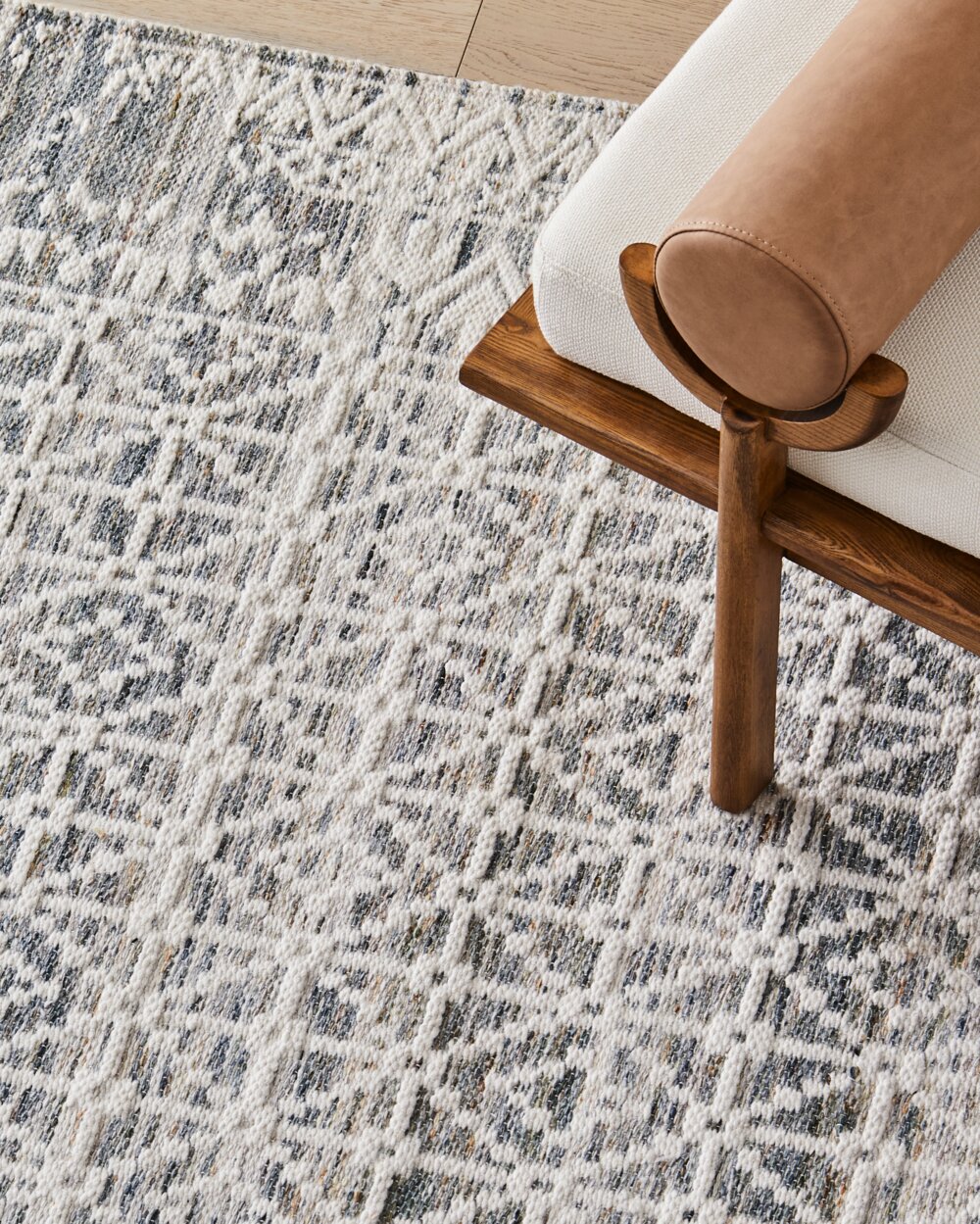
A rug can change the feeling of a bedroom immediately. It adds softness underfoot, helps absorb sound, and creates a more grounded layout. This is especially useful if the room has hardwood, tile, or another hard flooring surface.
For the most comfortable effect, choose a rug large enough to extend beyond the sides and foot of the bed. That way, your feet land on something soft when you get up in the morning.
Look for materials and patterns that support the mood of the room. A tonal rug can keep the space quiet, while a subtle pattern can bring in movement without overwhelming the bedroom.
Style the nightstand simply
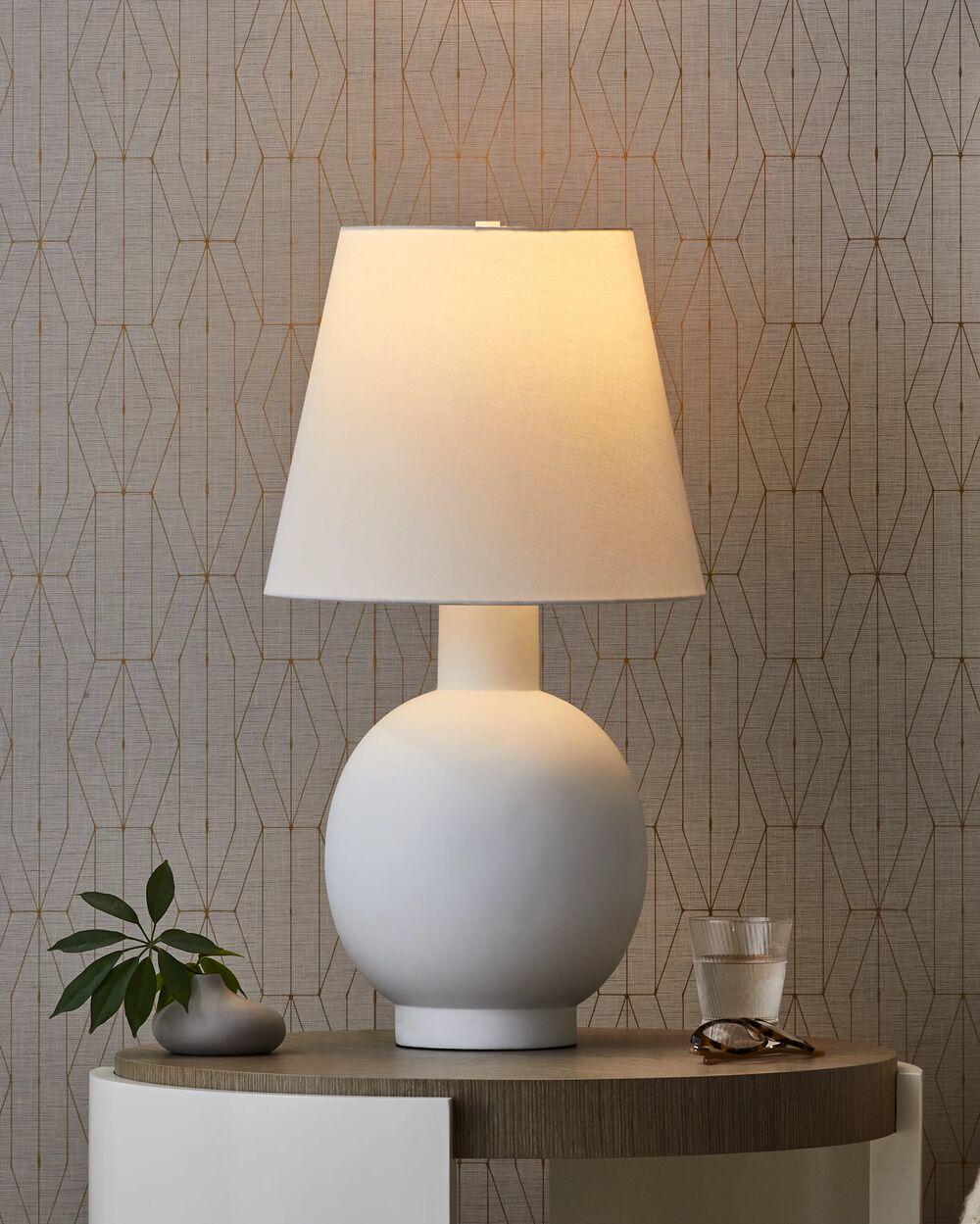
A nightstand should be practical, but it’s also a small styling opportunity. A lamp, a book, a small dish, a framed photo, or a vase with a few stems can make the bedside area feel personal and finished.
The key is restraint. Too many objects can make the room feel cluttered, especially near the bed. Start with what you actually use, then add one decorative element for warmth or personality.
If storage is an issue, choose a nightstand with drawers. It keeps the essentials close by while allowing the surface to stay calm and uncluttered.
Create a small place to pause
If there’s room, a small chair, bench, or ottoman can make a bedroom feel more complete. It gives the room another layer of function and makes the space feel less like it’s only for sleeping.
A chair in the corner can become a quiet reading spot. A bench at the foot of the bed adds structure and gives you a place to sit while getting dressed. An ottoman can soften the room and bring in another texture.
This doesn’t need to be a large piece. In smaller bedrooms, even a compact stool or upholstered bench can add comfort without taking up too much space.
Keep the room edited
One of the simplest bedroom design ideas is also one of the most effective: remove what doesn’t belong. A bedroom feels calmer when surfaces are clear, storage is working, and the room has enough breathing space.
This doesn’t mean the room has to be minimal. Personal details matter. Art, books, photos, and meaningful objects can make a bedroom feel warm and lived in. The difference is choosing what adds to the room and finding proper storage for everything else.
A calm bedroom is not created by one piece of furniture or one perfect bedding set. It comes together through layers that support comfort, softness, and ease. With thoughtful bedding, warm lighting, textured rugs, simple styling, and a quieter palette, these bedroom design ideas can help create a space that feels beautiful, personal, and easy to live in every day.
Photography by A Plus Creative
