

A good night’s rest starts before you get into bed. The temperature of the room, the light coming through the windows, the feel of the bedding, and the way you spend the final hour of the evening can all affect how easily you unwind. If you’re trying to get your best sleep, it may be time to look at both your bedroom and your nightly routine.
The goal is not to create a perfect room or a complicated ritual. It’s to make a few thoughtful changes that help the bedroom feel calmer, more comfortable, and easier to relax in. From layered lighting to breathable bedding, these simple ideas can help set the stage for a more restful night.
Start with a calmer bedroom
Your surroundings can have a real effect on how easy it feels to settle down at night. A bedroom that feels cluttered, too bright, or visually busy may make it harder to relax, while a quieter space can help signal that the day is winding down.
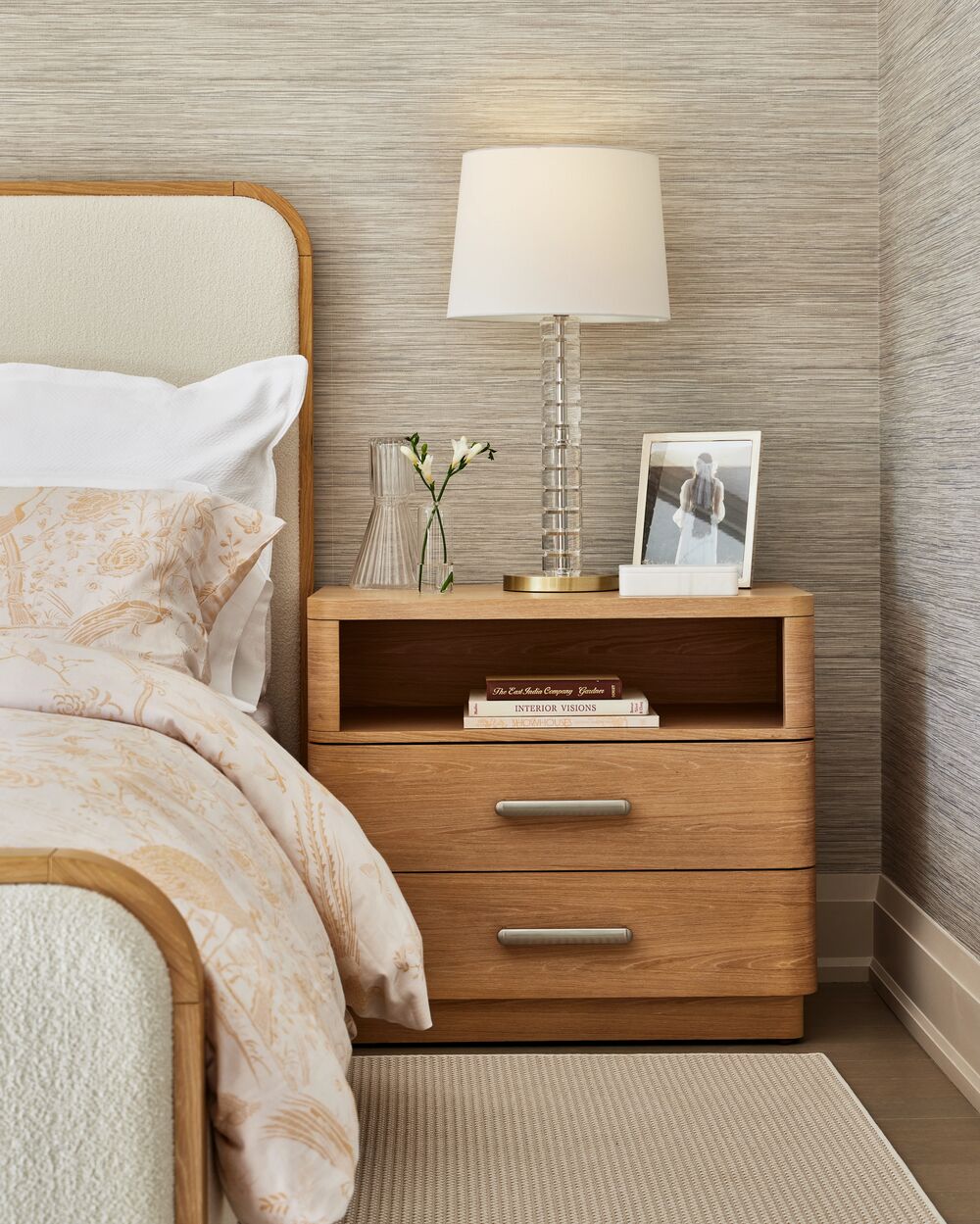
Start with the areas closest to the bed. Clear the nightstand of anything that does not support rest, such as receipts, extra chargers, or unfinished paperwork. Keep only what you use in the evening or morning: a lamp, a book, a glass of water, a small tray, or one personal object. Calming artwork, soft bedding, and a simple colour palette can also help the room feel more restful.
A bedroom does not need to be minimal to feel peaceful. It just needs to feel edited. Choose textures, colours, and objects that make the room feel comfortable without adding visual noise.
Choose bedding that feels comfortable
The right bedding can make a noticeable difference in how well the bed supports rest. Sheets, duvets, and pillows all affect temperature, softness, support, and the way the bed feels throughout the night.
If you tend to sleep warm, look for bedding that feels breathable and comfortable against the skin. Lighter layers can help in warmer months, while softer, more enveloping layers may feel better when temperatures drop. A duvet should suit both the season and the way you sleep, rather than being chosen only for how it looks on the bed.
Pillows should support your usual sleep position. Side sleepers often need more loft, back sleepers may prefer medium support, and stomach sleepers usually need something lower and softer. If a pillow has lost its shape or no longer feels supportive, it may be time to replace it.

Keep the room cool
Temperature is one of the most practical details to consider when creating the right environment for sleep. A room that feels too warm, too cold, or drafty can make it harder to settle in and stay comfortable.
If your bedroom tends to get warm, start with airflow. Air conditioning can help, but a fan is also useful, especially in rooms that hold heat. Placing a fan near a window can help move warm air out of the room, depending on the layout and outdoor conditions. During hot, sunny days, close drapery panels or blinds to help keep the room cooler before evening.
Bedding matters here too. A duvet or pillow that feels too warm can affect comfort, even in a room that is otherwise pleasant. If you often wake up feeling overheated, consider whether lighter layers, more breathable sheets, or a temperature-focused duvet and pillow would be a better fit.
Layer the lighting
Lighting plays an important role in how a bedroom feels at night. Bright overhead lighting can be useful when cleaning or getting dressed, but it is rarely the most relaxing option before bed.
Instead, layer the lighting so the room can shift throughout the evening. A pair of bedside lamps can create a soft glow for reading. Wall sconces or pendants can free up nightstand space. Dimmers are especially helpful because they let the room move from practical to calm with one adjustment.
Warm light is usually the most comfortable choice for bedrooms. It feels softer and less harsh than bright, cool light, especially in the evening. The goal is to create a low, gentle atmosphere that helps the room feel settled.
Control the outside light
A room that is too bright can make it harder to fall asleep or stay asleep, especially if there is early morning sun, streetlight, or light from neighbouring buildings. Window coverings are one of the most effective ways to make the bedroom feel more restful.
Room darkening or blackout drapery panels can help block unwanted light while also adding softness, texture, and warmth to the room. Drapery can make a bedroom feel more finished, but it also has a practical purpose. During the day, closing drapes or blinds can help reduce heat from strong sun. At night, they help create a darker, quieter-feeling space.
If blackout panels feel too heavy for your style, consider layering. A light-filtering treatment can soften the window during the day, while a heavier drapery panel can be drawn at night.
Create a wind-down routine
The final hour before bed sets the tone for the night ahead. A consistent routine can help cue your body and mind that it is time to slow down.
This does not need to be elaborate. Try setting a gentle reminder about an hour before bed so the evening does not slip away. Then choose a few habits that feel calming and repeatable: making a cup of herbal tea, taking a warm shower, reading, journaling, stretching lightly, or setting out clothes for the next day.
The best sleep routines are the ones that feel easy enough to keep. If the routine is too complicated, it can become another task. Start with one or two simple cues and build from there.
Put screens away
Phones, tablets, and televisions can make it harder to fully wind down, partly because they keep the mind engaged and partly because the light from screens can make the room feel less restful. A digital detox does not have to mean a strict rule for the whole evening. Even putting devices away for the last 30 to 60 minutes before bed can help create a calmer transition.
Keep a book or magazine on the nightstand instead, and use a lamp with a warm, comfortable glow. This makes the bedroom feel more like a place for rest rather than another space for scrolling, working, or catching up.
Use scent thoughtfully
Scent can be a simple part of an evening routine. A diffuser, pillow mist, candle used earlier in the evening, or a relaxing bath can help create a sense of ritual before bed. Lavender, ylang ylang, and bergamot are often associated with relaxation, while brighter scents may feel more energizing.
Use scent lightly. The bedroom should feel fresh and calm, not overpowering. Choose one scent you enjoy and use it consistently as part of the wind-down process.
Keep comfort personal
The best sleep environment is personal. Some people sleep better in a very dark room. Others prefer a small amount of ambient light. Some need a cooler room, while others feel more comfortable with an extra blanket. The same is true for pillows, duvets, sheets, scents, and bedtime routines.
Pay attention to what consistently makes you feel more rested. If you wake up warm, look at bedding and airflow. If the room feels too bright, look at window coverings. And if the evening feels rushed, simplify the final hour before bed. Small adjustments often make the biggest difference because they are easier to maintain.
Getting your best sleep does not require a complete bedroom makeover. Start with the basics: a calm room, comfortable bedding, cooler air, soft lighting, good window coverings, and a routine that helps the day come to a close. When the bedroom supports the way you rest, it becomes easier to settle in, stay comfortable, and wake up feeling more refreshed.
Photography by A Plus (1), Stacey Brandford (3)
