
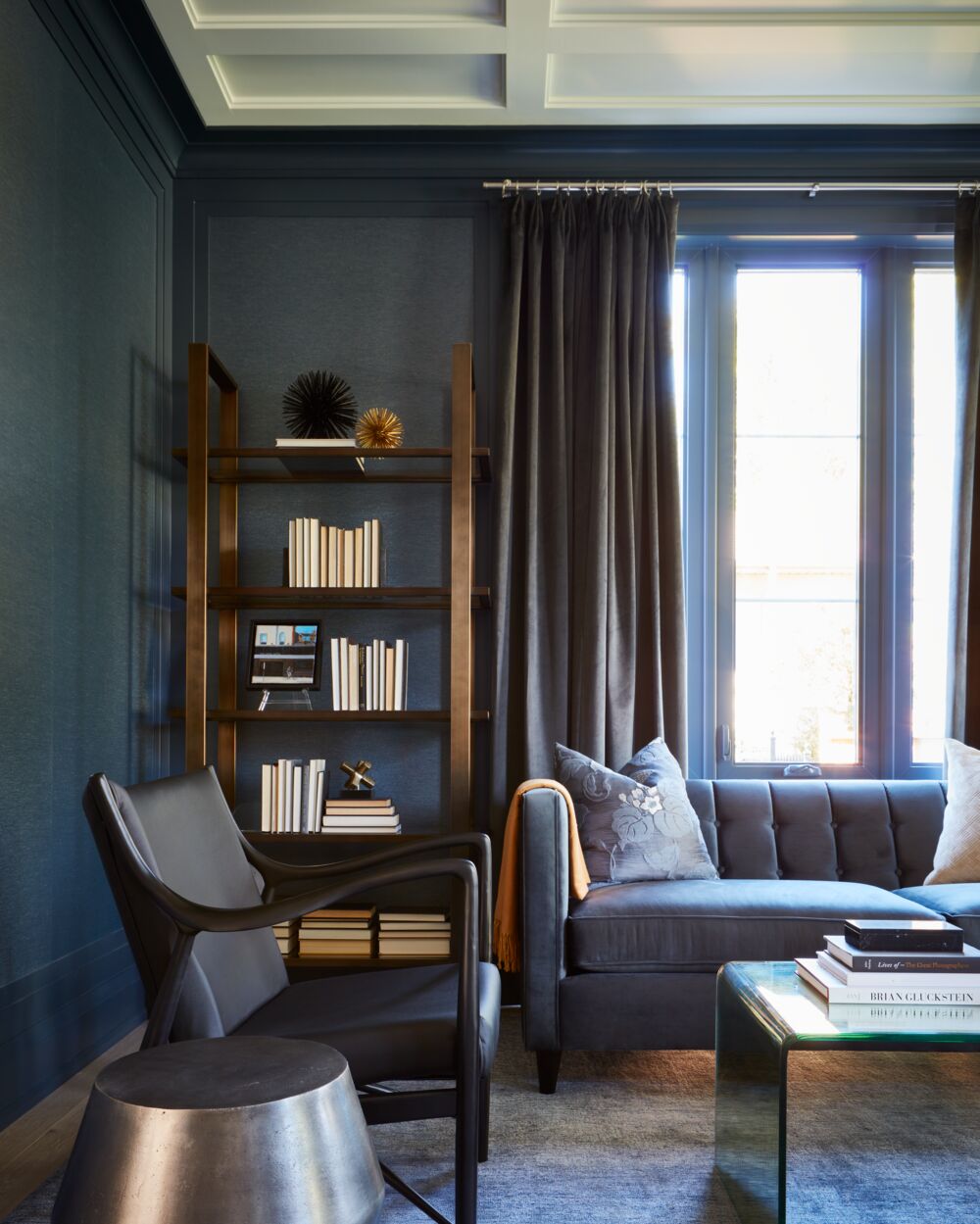
A cozy room should make you want to settle in and stay awhile. That feeling comes from how the entire space works together, from its layout and colour palette to the way light moves through it. The most inviting rooms balance comfort with character, creating a sense of intimacy without feeling crowded or overly styled. Here’s how to make any room feel warmer, more welcoming, and naturally comfortable.
1. Decide how you want the room to feel
Before choosing colours or moving furniture, think about how the room will be used. A living room designed for conversation needs a different kind of comfort than a quiet reading space or a family room intended for relaxed evenings.
Consider what would make the space feel most inviting. It might be a seating arrangement that encourages people to gather, a comfortable chair positioned near a window, or a surface within easy reach for a book or drink. Starting with the experience of the room helps every later decision feel more purposeful.
2. Create a more intimate furniture arrangement
Furniture placement can make a large room feel welcoming or cause a smaller one to feel disconnected. Rather than automatically pushing every piece against the walls, bring seating closer together to create a more comfortable conversation area.
Anchor the arrangement around a natural focal point, such as a fireplace, window, artwork, or coffee table. Chairs don’t need to match the sofa, but they should feel visually connected through scale, colour, or material. In a larger room, create smaller zones for different activities instead of trying to make one arrangement fill the entire space.
The most successful cozy room feels easy to move through while still giving each piece a clear relationship to the others.
3. Make the room’s envelope feel more inviting
Walls, windows, and architectural details set the atmosphere long before furniture and accessories enter the picture. Warm neutrals, muted greens, deep blues, and earthy browns can make a room feel more enveloping, especially when carried across several surfaces.
Wallpaper adds another layer of depth. A subtle grasscloth effect or softly textured pattern can give plain walls more character without overwhelming the room. Drapery also plays an important role by framing the windows, softening hard edges, and giving the space a more finished feeling.
For a cocooning effect, consider using a deeper colour across the walls, trim, and built-in elements. Keeping these surfaces closely related reduces visual contrast and allows the room to feel calm and unified.
4. Build depth through colour and materials
A warm room doesn’t need to rely on beige or other pale neutrals. Rich, tonal colour can feel equally comfortable when it is balanced thoughtfully. Start with one dominant colour family, then introduce lighter and darker variations to give the room depth.
Natural materials help prevent a tonal scheme from feeling flat. Wood brings warmth, while aged metal, stone, woven finishes, and softly reflective surfaces add contrast. The goal is not to include every material, but to create enough variation that the room feels layered and collected over time.
A cozy room also benefits from a balance of polished and relaxed elements. A tailored sofa might be paired with an aged wood table, or formal wall panelling with casually arranged books and artwork. That contrast keeps the space comfortable rather than overly perfect.
5. Use light to draw people into the room
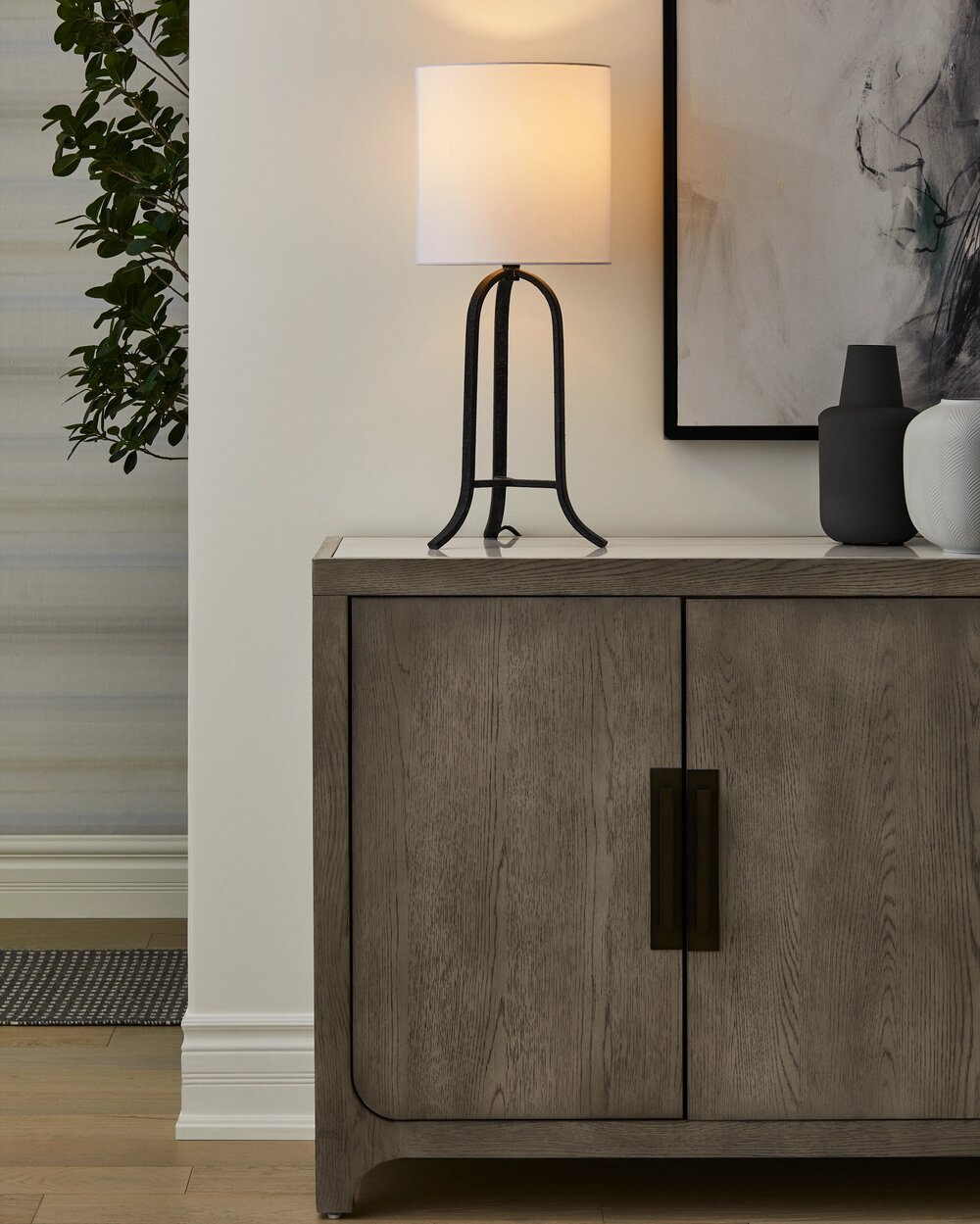
Good lighting does more than illuminate a space. It helps establish where to sit, read, or gather. Instead of lighting every corner at the same intensity, create softer pools of light around the areas you want people to use.
Position a table lamp beside a sofa or reading chair, use a floor lamp to brighten a darker corner, and add sconces where they can highlight artwork or architectural details. Dimmers make it easier to adjust the atmosphere as natural light changes throughout the day.
Pay attention to the colour of the light as well. Warm-toned bulbs generally feel more comfortable in living rooms and bedrooms than cooler light. Lampshades can soften the effect further by diffusing the light and reducing glare.
6. Let the room feel personal
Rooms feel most inviting when they reveal something about the people who live there. Books, artwork, photographs, and collected objects give a space personality and prevent it from feeling staged.
Display these pieces with some breathing room rather than filling every available surface. A few meaningful objects will have more presence than a large collection of unrelated accessories. Bookshelves can combine books with artwork and sculptural pieces, while a side table might hold only a lamp, a favourite book, and one personal object.
A little imperfection can also make a room feel more relaxed. Not every book needs to align, every chair needs to match, or every surface needs to be fully styled. A comfortable home should feel considered, but still natural to live in.
Ultimately, a cozy room is created through the relationship between layout, colour, light, and personality. When those elements are thoughtfully balanced, the result feels welcoming in every season, without relying on a long list of decorative additions.
Photography by Angus Fergusson (1), A Plus Creative (2)
