Small spaces can be some of the most charming rooms in a home. They often feel cozy, personal, and easy to enjoy. But they also require more intention. Every piece needs to earn its place, and every decorating choice has to balance style, comfort, and function. That’s where smart small space decorating makes all the difference.
Whether you’re furnishing a compact condo, a narrow living room, a small bedroom, or a hardworking entryway, the goal isn’t to make the room feel empty. It’s to make it feel considered. With the right furniture, lighting, storage, and layout, a small space can feel open, layered, and beautifully livable.
Choose furniture with more than one purpose
In a smaller room, furniture should do more than look good. The best pieces bring flexibility to your layout and help the space adapt throughout the day.
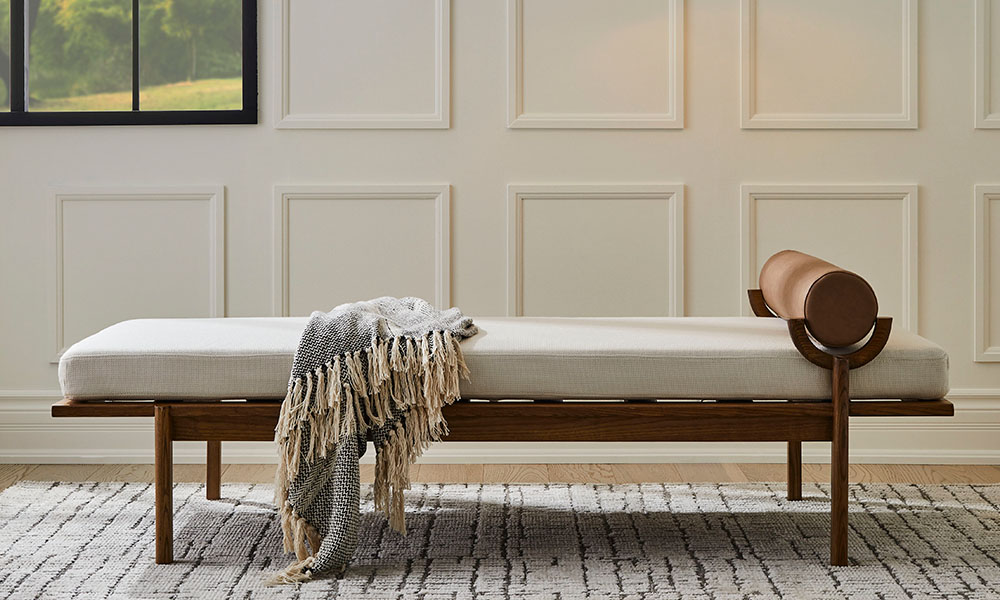
Nesting tables are a great example. They can be pulled apart when you need extra surface space for entertaining, then tucked neatly together when the room needs to feel more open. Ottomans can work as extra seating, a coffee table, or a place to put your feet up. A bench with hidden storage can sit at the end of a bed, in an entryway, or under a window.
This is one of the most useful small space decorating ideas because it helps reduce the number of pieces you need. Instead of filling the room with single-purpose furniture, choose versatile designs that can shift with the way you live.
Look for raised profiles and lighter shapes
Heavy, blocky furniture can make a small room feel crowded quickly. Pieces with visible legs, slim arms, or open bases allow more light to move through the room. They also reveal more floor, which can make the space feel larger.
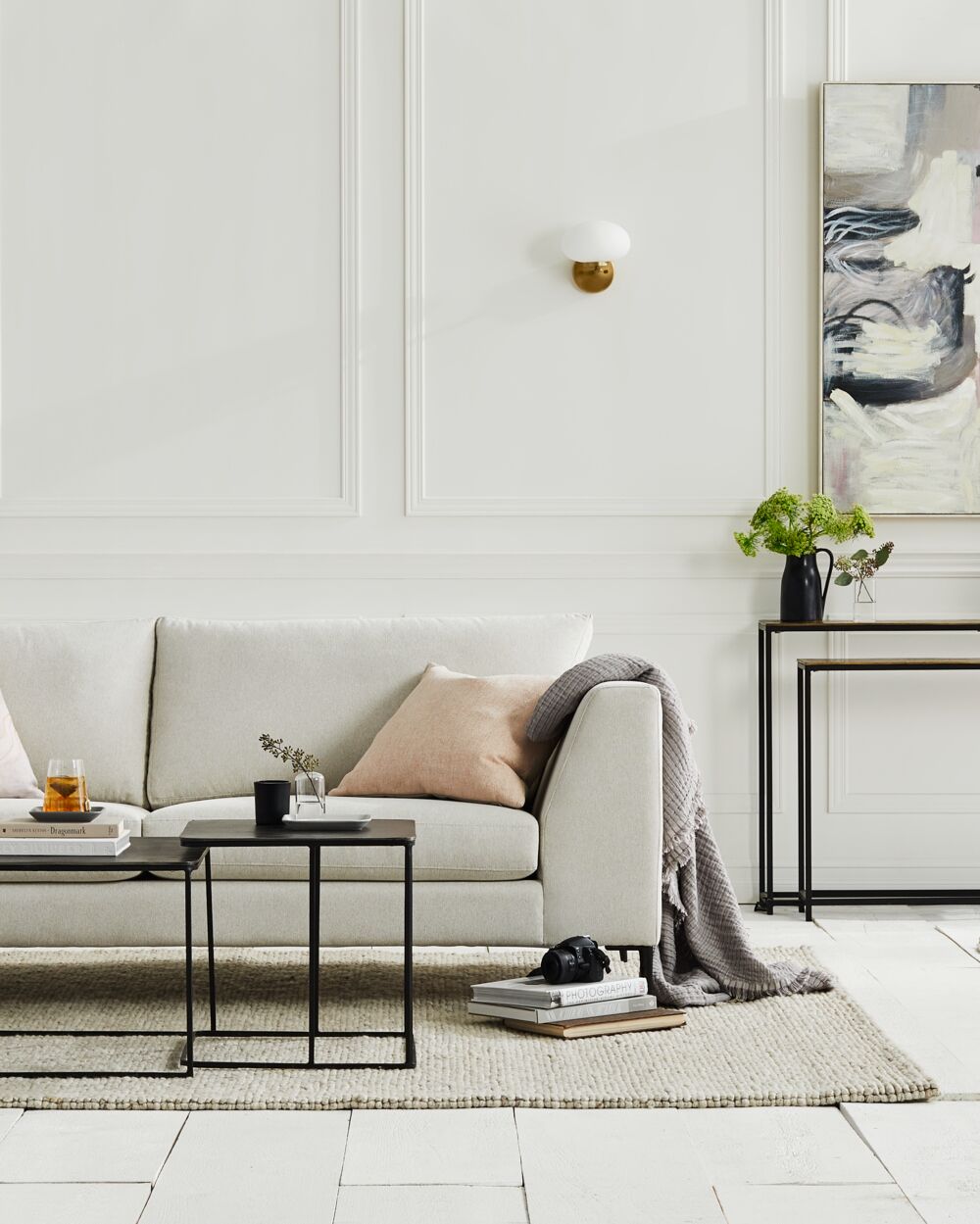
This doesn’t mean every piece needs to be delicate. A room still needs comfort and balance. But a sofa on legs, an open-base coffee table, or a narrow console can make a noticeable difference. In a small living room, for example, a raised sofa paired with a lighter side table will usually feel airier than a low, skirted sofa with a bulky table beside it.
The same idea works in bedrooms and dining areas. A bed frame with space underneath, a dining chair with a slender profile, or a nightstand with legs can help the room feel less visually heavy.
Use the walls more thoughtfully
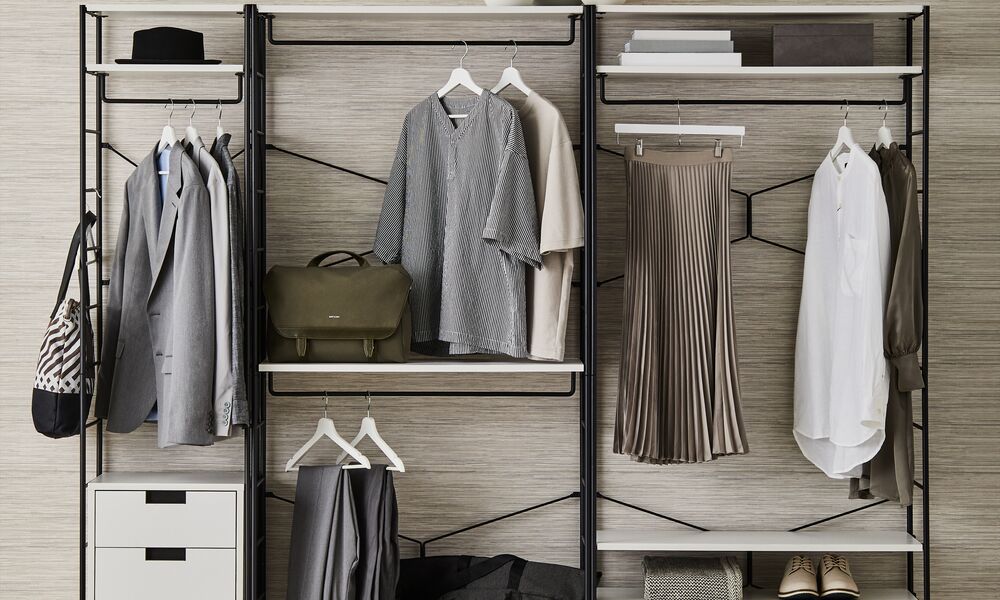
When floor space is limited, walls become especially valuable. They can provide storage, lighting, display space, and style without taking up the room’s footprint.
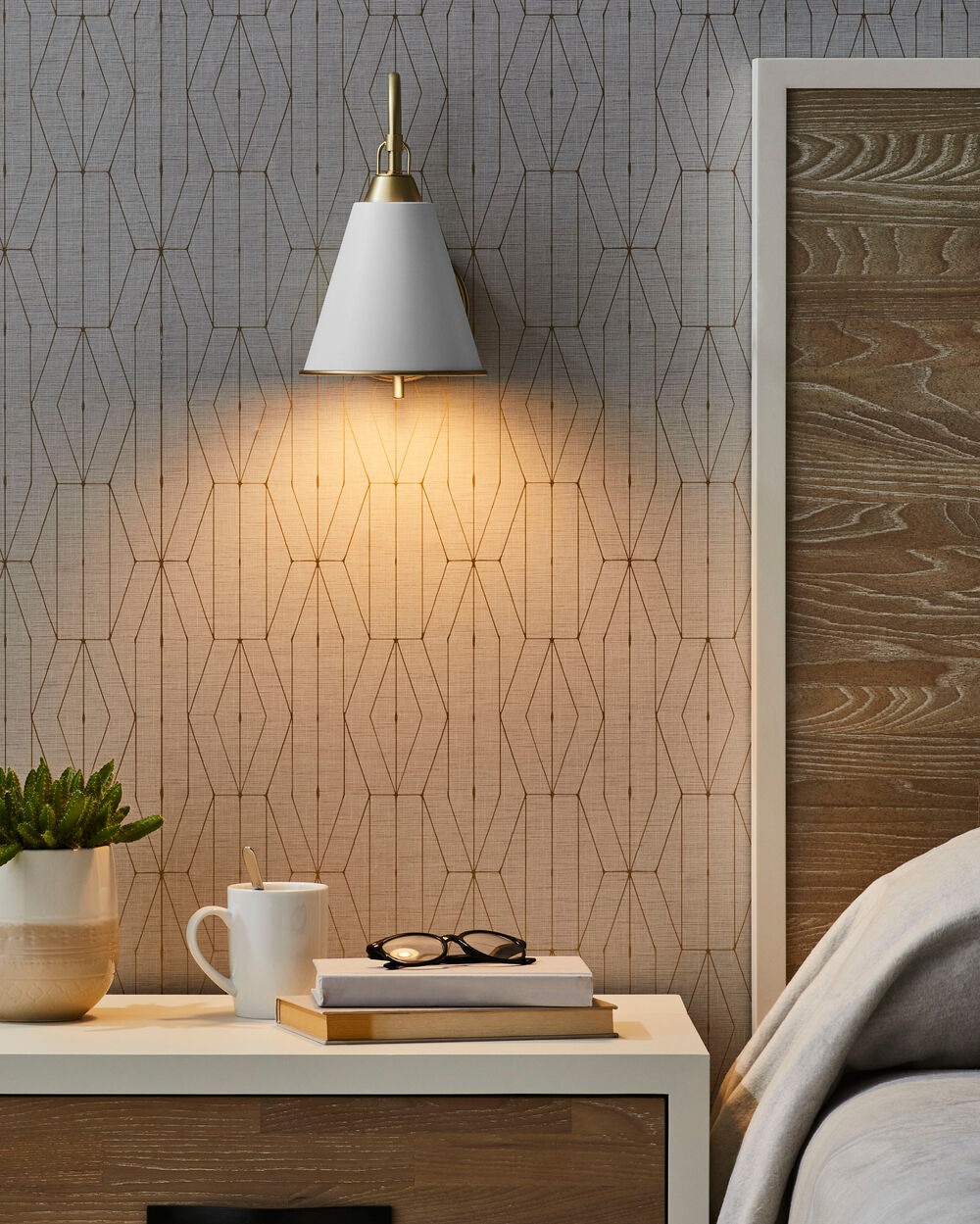
Wall sconces are a smart alternative to table lamps in small bedrooms, hallways, and reading corners. They free up surface space while adding a polished layer of light. Tall bookcases, floating shelves, wall-mounted nightstands, and peg rails can also help make use of vertical space.
The key is to keep wall storage intentional. Open shelves can look beautiful when they’re edited and thoughtfully styled. Too many small objects, however, can create visual clutter. Try mixing practical pieces, such as books or baskets, with a few decorative accents. The result feels personal without looking busy.
Make storage part of the design
Storage is often the biggest challenge in a small home. But the most successful solutions don’t feel like afterthoughts. They’re built into the design of the room.
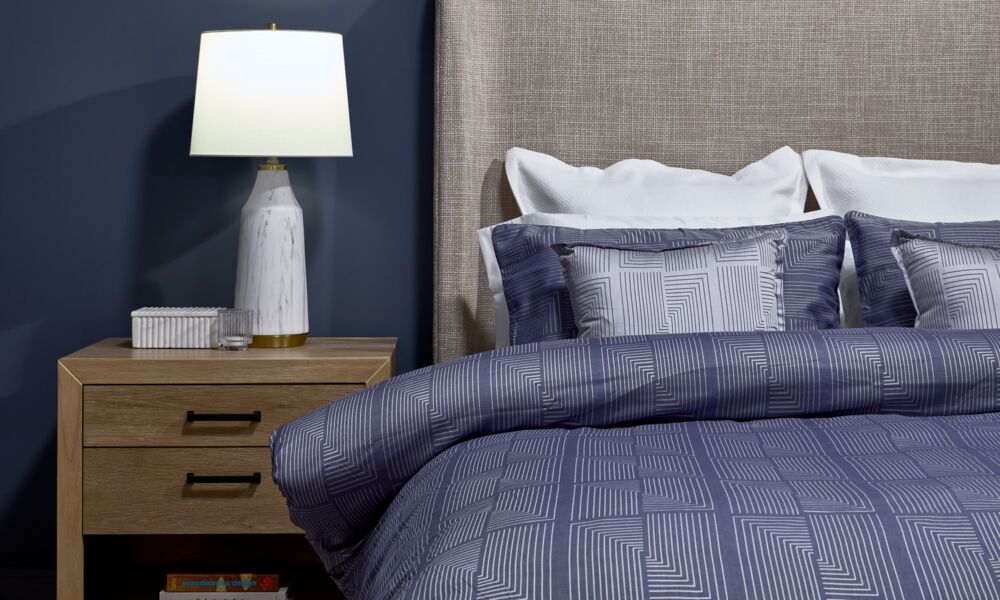
In a bedroom, a storage bed can help make use of space that would otherwise go unused. It’s a practical place for off-season clothing, extra bedding, or spare pillows. In a living room, a closed cabinet or media console can hide everyday items that don’t need to be on display. In an entryway, a lidded basket or narrow cabinet can keep shoes, hats, and bags from taking over.
Closed storage is especially helpful in small space decorating because it reduces visual noise. A room can hold quite a lot when everything has a proper place. It just needs to be organized in a way that feels calm and easy to maintain.
Keep the layout open and easy to move through
A small room can feel even smaller when the layout blocks natural movement. Before adding more furniture, consider how you walk through the space. Are there clear pathways? Can drawers and doors open easily? Is there enough room to move around the coffee table or bed?
Sometimes the solution for small space decorating is a simple shift. Pulling a chair slightly away from a doorway, choosing a smaller side table, or moving a floor lamp to another corner can improve the flow. In a small living room, it may also help to use a round coffee table or nesting tables instead of a large rectangular one. Curved shapes are easier to move around and can soften a tight layout.
A good layout should feel effortless. You shouldn’t have to navigate around furniture every time you enter the room.
Keep colour and materials cohesive
A small room doesn’t have to be all white. In fact, darker colours, warm neutrals, and textured finishes can make a small space feel cozy and sophisticated. The trick is cohesion.
Limit the number of major finishes and colours in the room. For example, you might choose warm wood, soft white, black accents, and a muted blue or green. Repeating those tones in a few places helps the space feel calm and pulled together.
Texture also matters. A woven rug, linen drapery, textured-look wallpaper, or bouclé chair can add depth without relying on lots of colour or pattern. In a small room, these quieter layers often create the most impact.
Use mirrors with intention
Mirrors are often recommended for decorating small spaces, and for good reason. They reflect light, add depth, and can make a room feel more open. But placement matters.
A mirror across from a window can help bring more natural light into the room. A mirror above a console can make an entryway feel larger. In a dining area or hallway, a larger mirror can create a sense of depth where there isn’t much square footage.
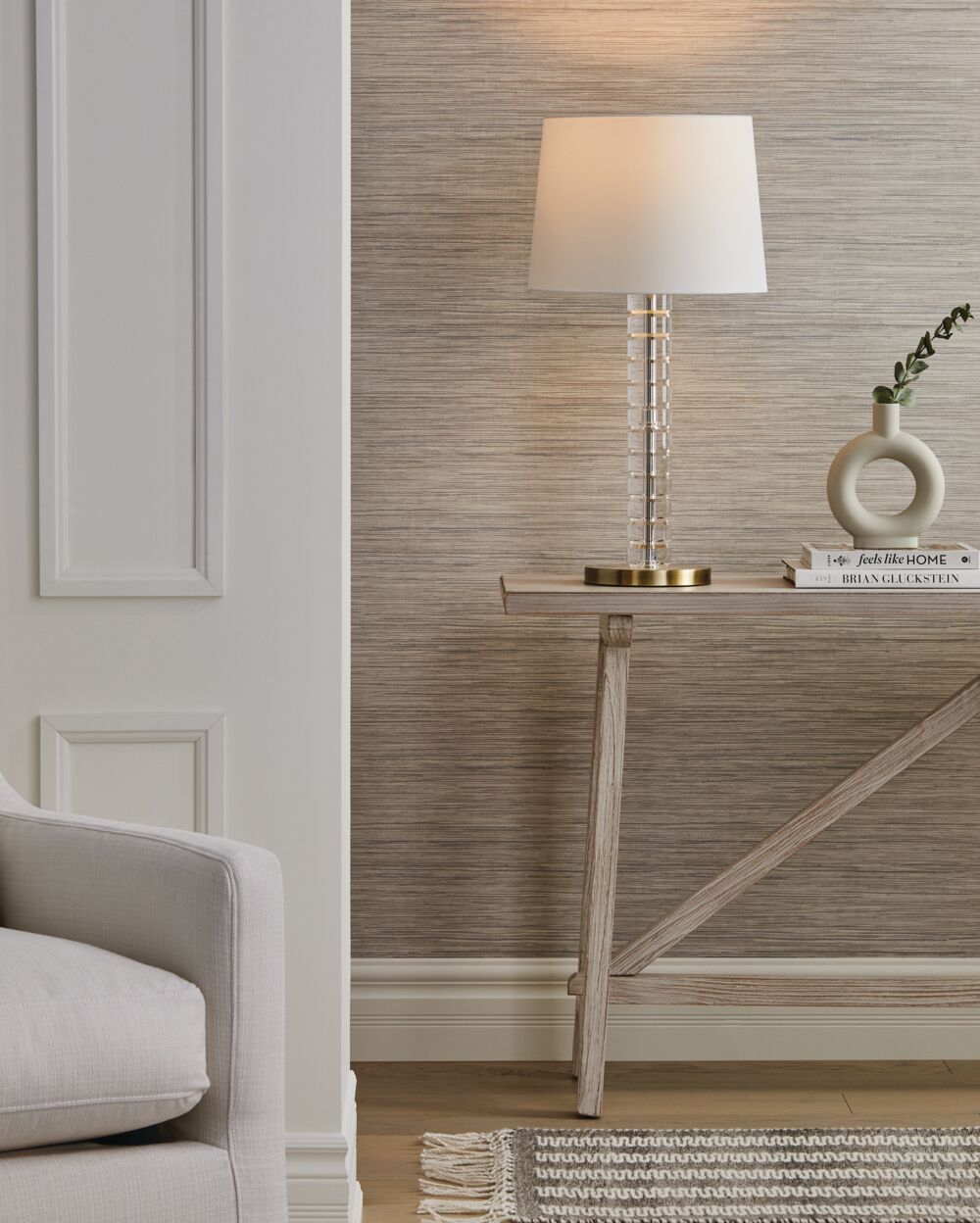
Reflective finishes can also help, but keep them subtle. A glass table lamp, a polished metal accent, or a glossy ceramic vase can catch light without overwhelming the room. The effect should feel layered, not flashy.
Create zones, even in one small room
Small spaces often need to serve more than one purpose. A living room might also be a home office. A bedroom might need a reading corner. A dining area might double as a workspace. Creating zones can help each function feel more intentional.
You don’t need walls to define these areas. A rug can visually anchor a seating area. A small desk lamp can signal a workspace. A chair, side table, and wall sconce can turn an unused corner into a reading spot. Even a change in texture or lighting can help separate one function from another.
This approach is especially helpful in open-concept condos or studio apartments. Instead of one room doing everything at once, each area feels like it has a clear role.
Edit, then add personality
Editing is part of any successful small space decorating plan. But a small room shouldn’t feel stripped of personality. It still needs the details that make it feel like home.
Start by removing anything that doesn’t serve a purpose or bring you joy. Then layer back in a few meaningful pieces. Art, books, a sculptural lamp, a favourite bowl, or a beautiful textile can make a small room feel personal and complete. The goal is not minimalism for its own sake. It’s choosing what matters most and giving those pieces room to stand out.
A small space works best when it feels intentional, comfortable, and easy to live in. With flexible furniture, smart storage, thoughtful lighting, and a well-planned layout, even the most compact room can feel stylish and functional. Bigger isn’t always better. Sometimes, the best spaces are simply the ones designed with the most care.
Photography by A Plus Creative