
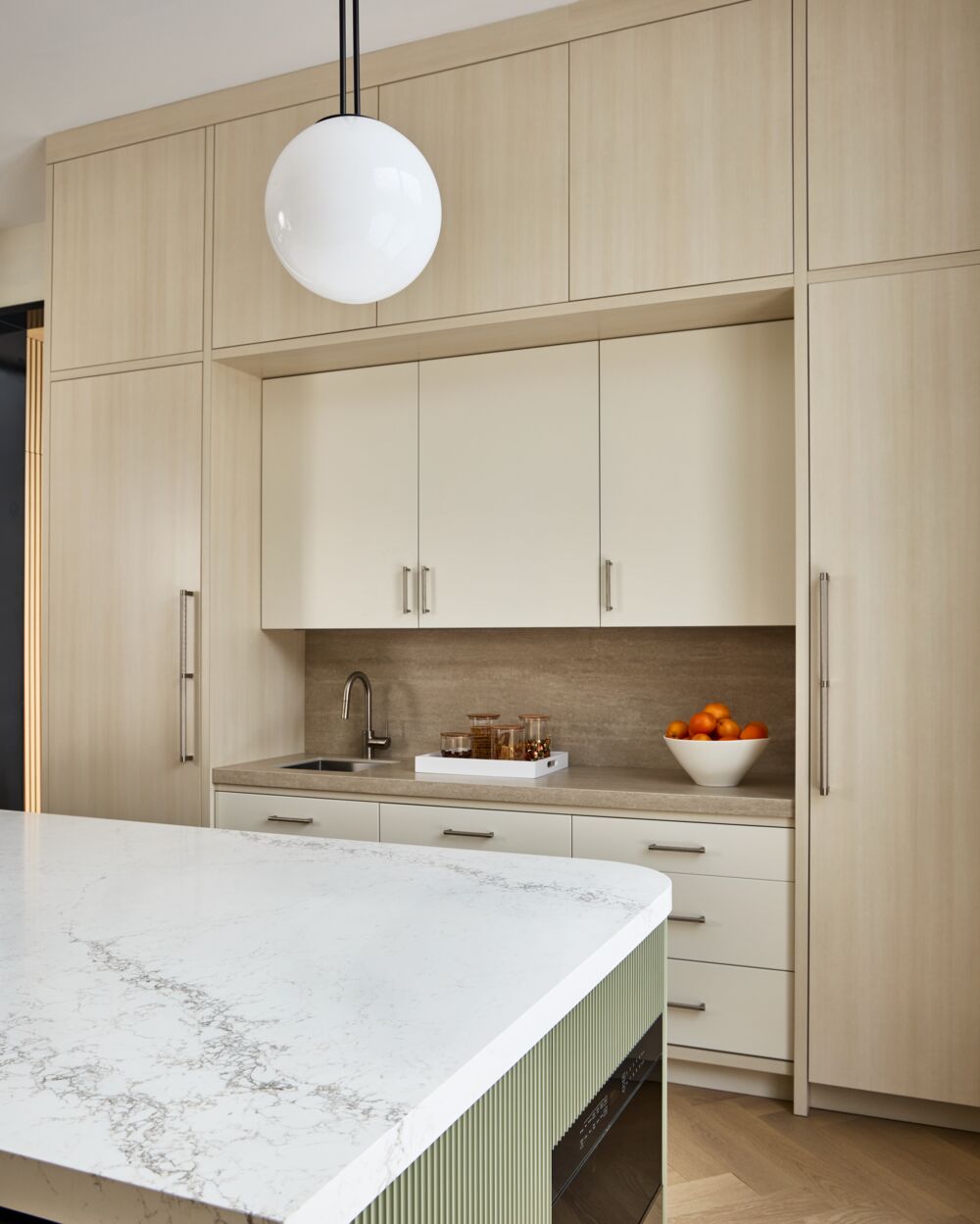
A home refresh or renovation involves a lot of decisions, and even small ones can have a lasting impact. Some common design mistakes come down to timing, while others happen when scale, colour, or practicality aren’t considered early enough. A little planning can help you avoid expensive do-overs and create a home that feels more considered from the start. Here are five mistakes to watch for, along with simple ways to get them right.
1. Painting before choosing furniture
Painting may feel like the natural place to start because it’s relatively quick and easy to change. But choosing paint too early can actually make the rest of the room harder to pull together.
Start with the elements that offer fewer options, such as upholstery, rugs, wallpaper, and other key finishes, then choose a paint colour that complements them. Bring fabric and finish samples with you when looking at paint, and always test a few colours at home. The same shade can look very different depending on the natural and artificial light in your space.
2. Mixing too many competing styles
A room doesn’t need to follow a single design style. In fact, mixing periods and influences is often what gives a space personality. The key is making sure the mix feels intentional.
One of the most common design mistakes is giving too many styles equal weight, which can make a room feel visually busy rather than collected. Instead, choose one general point of view as your foundation and bring in contrasting pieces more selectively. A predominantly mid-century room, for example, might benefit from an antique side table or traditional artwork. Those unexpected additions create interest without competing with the overall direction of the space.
3. Hanging art too high
Art adds personality, colour, and character, but where you hang it matters. When artwork sits too high, it can feel disconnected from the furniture and the rest of the room.
To avoid this common design mistake, think about the artwork and the furniture below it as one composition rather than separate elements. Above a sofa, console, or headboard, aim to leave approximately four to six inches between the top of the furniture and the bottom of the frame. The result should feel visually connected and comfortable at eye level.
4. Investing too heavily in trends
There’s nothing wrong with bringing a current colour, pattern, or finish into your home. The trick is deciding where to use it.
For larger investment pieces, such as a sofa or upholstered bed, timeless colours and materials generally give you more flexibility over the years. Then use smaller elements like toss cushions, accessories, bedding, and bath towels to experiment with a look you may eventually want to change. It’s an easier and more affordable way to keep a room feeling fresh without having to rethink the entire space.
5. Not ordering enough materials
Wallpaper, tile, flooring, and other materials can vary slightly between production runs, so running short midway through a project can create more than a scheduling problem. A replacement order may not be an exact colour or pattern match.
Avoid this common design mistake by carefully checking your measurements and ordering a little extra to account for cuts, pattern matching, waste, or future repairs. For custom orders, double-check quantities before placing the order. Having everything you need before work begins makes the project run more smoothly and helps ensure a consistent finish from start to finish.
Good design isn’t about getting every decision perfect the first time. It’s about thinking ahead and making choices that work together. A little extra planning around colour, scale, style, and materials can prevent many of the decorating problems that are hardest, and often most expensive, to correct later.
Photography by Stacey Brandford
