
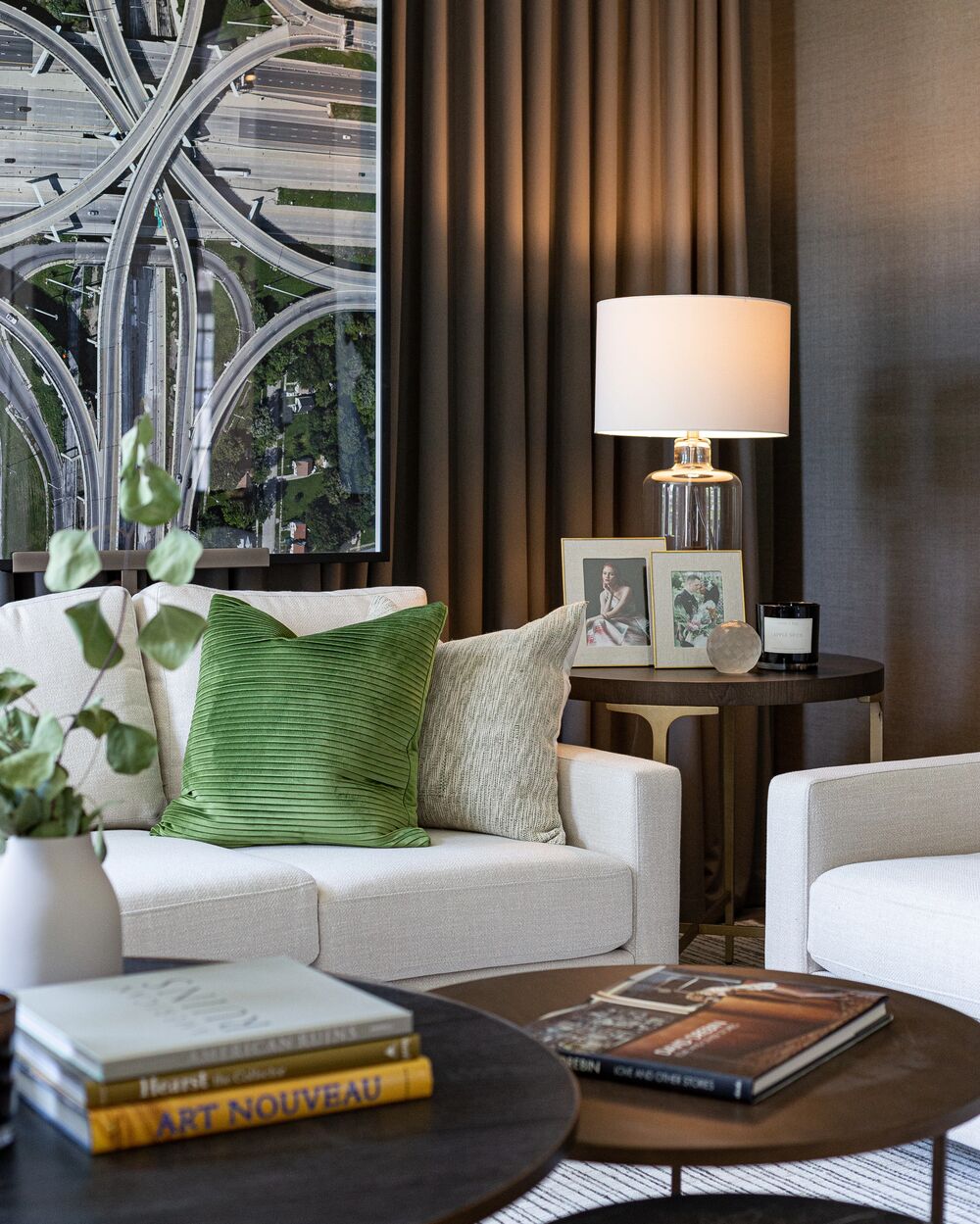
A beautiful home doesn’t depend on spending the most in every category. It comes from knowing which choices will shape how the space feels, functions, and holds up over time. When interior designer Brian Gluckstein considers a decorating budget, he looks first at how a home will be used and which pieces will have the greatest impact on everyday life.
That means investing thoughtfully rather than treating every purchase the same. Some pieces deserve more of the budget because they support comfort or need to work hard for years. Others can be simpler, more accessible, or changed as your taste evolves. Here’s how Brian approaches the balance.
1. Invest in the pieces you use every day
The best place to begin is with the furniture you interact with most. A sofa used every evening, a dining table that anchors family life, or a desk chair that supports long hours will earn its place in the budget. These pieces need to feel comfortable, suit the scale of the space, and withstand regular use.
Brian recommends looking beyond the surface. Consider the frame and construction, the durability of the material, and whether the piece can adapt as your needs change. A well-made sofa in a versatile shape, for example, can take on a different character over time with new cushions, a throw, or a change in the surrounding palette. Investing in a strong foundation gives you more freedom everywhere else.
2. Spend where comfort and function matter
Comfort isn’t always visible in a photograph, but it has an enormous influence on how you experience your home. Upholstered seating should provide the support you prefer. Drapery should offer the privacy or light control the room needs. Storage should make everyday routines easier rather than simply adding another attractive surface.
For Brian, these functional choices are worth prioritizing because they affect the way a room works every day. This doesn’t necessarily mean choosing the most expensive option. It means directing more of the decorating budget toward the features that solve a real need and taking the time to get them right.
3. Save on the layers that are easy to change
Not every element needs to be a long-term investment. Cushions, throws, decorative objects, and smaller occasional pieces are natural places to save. They can bring in colour, pattern, and personality without committing a large part of the budget to something you may want to update later.
Accessible pieces can still feel considered. Look for a strong shape, useful function, or material that relates to something already in the room. A simple side table can work beautifully beside a more substantial sofa. An inexpensive vase can feel special when its colour is repeated in artwork or fabric. The success of the mix comes from how the pieces relate to one another, not what each one cost.
4. Mix price points for a more personal home
A room furnished entirely at one price point can sometimes feel less individual than one built gradually. Brian prefers a mix: a quality foundational piece beside an accessible find, something contemporary paired with something inherited, or a refined finish balanced by a natural texture.
This approach lets you invest selectively while giving your home more character. It also removes the pressure to complete a room all at once. Leave space for pieces discovered over time, including art, vintage finds, and objects with personal meaning. They often become the details that make the room memorable.
5. Don’t leave lighting until the end
Lighting is frequently treated as a finishing expense, but Brian sees it as part of the foundation. A room needs more than one source of light to feel comfortable and function well throughout the day. That might include an overhead fixture, table and floor lamps, sconces, or focused lighting for reading and work.
Set aside enough of the decorating budget to create those layers rather than spending everything on furniture first. Lighting can change the atmosphere of a room immediately, and the fixtures themselves help establish its character. It is one of the investments that affects both how a space looks and how it feels.
A thoughtful budget creates a better mix
Knowing where to invest and where to save isn’t about following a fixed formula. It’s about understanding your own routines and giving priority to the pieces that support them. Start with comfort, function, and the elements you’ll use most. Then build personality through a thoughtful mix of price points and pieces collected over time.
When a decorating budget reflects the way you actually live, every choice has a clearer purpose. The result feels comfortable and considered—not because everything was expensive, but because the right things received the right attention.
Photography by Brittany Townsend
