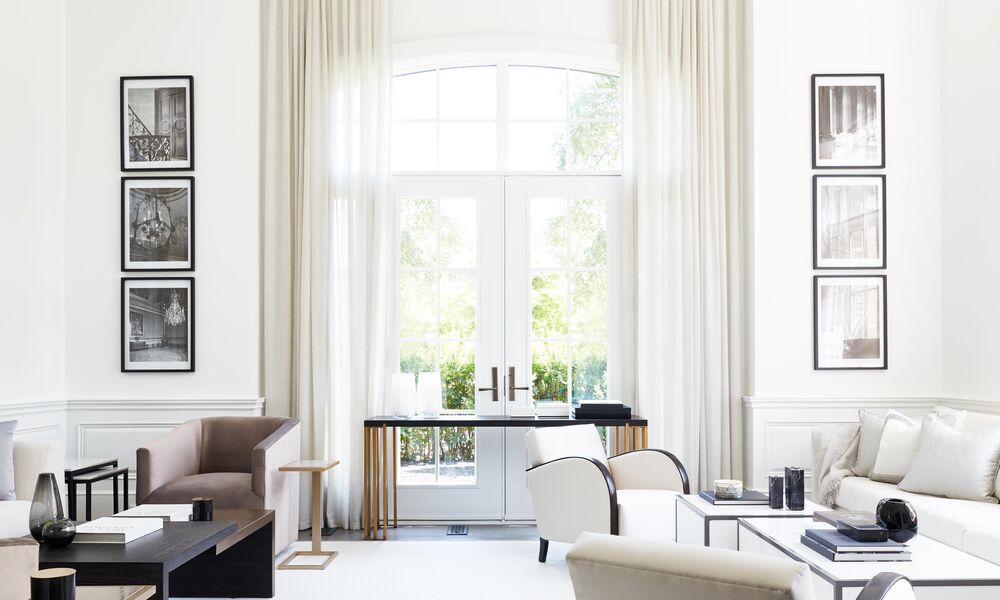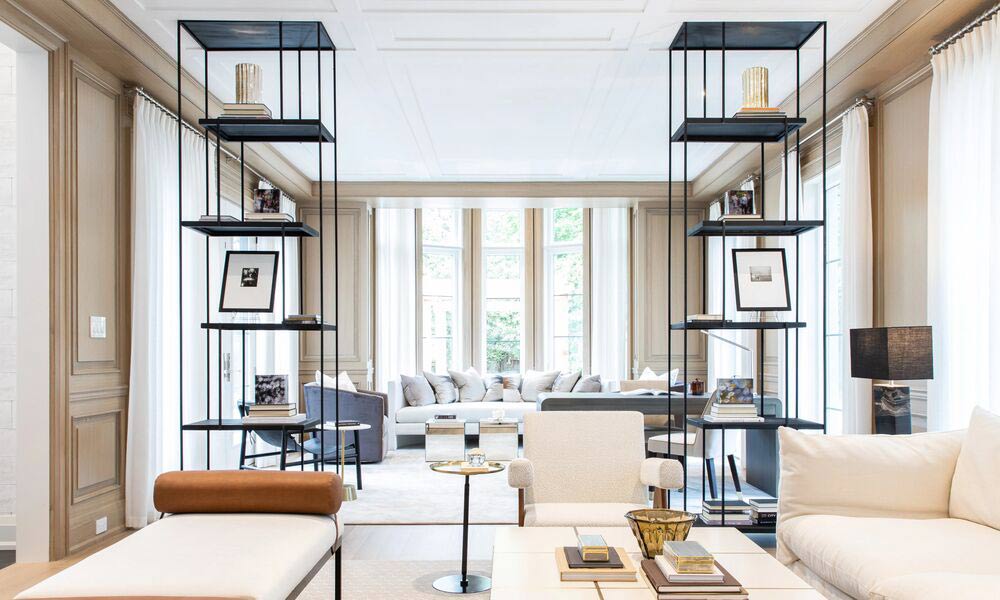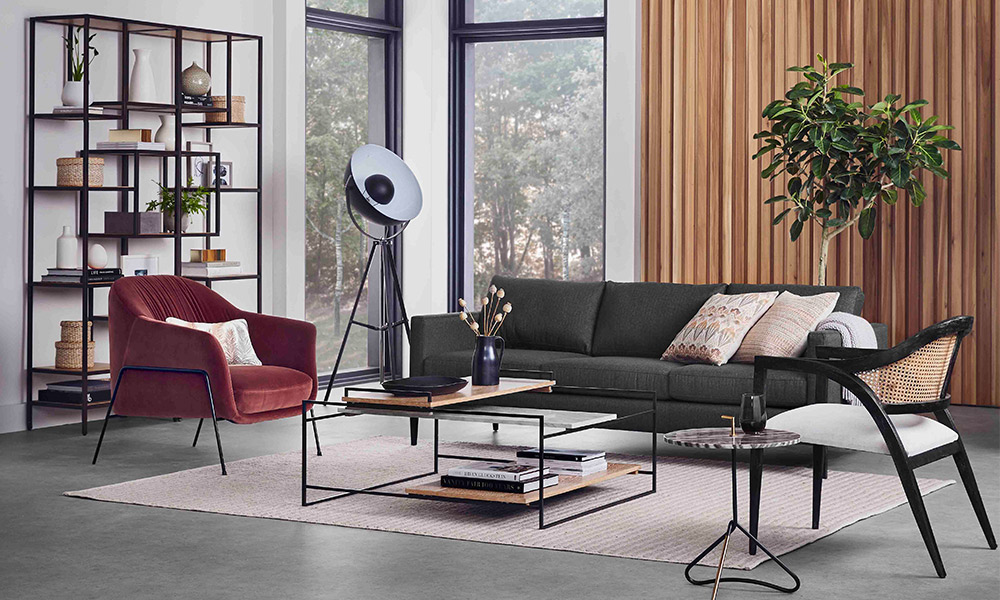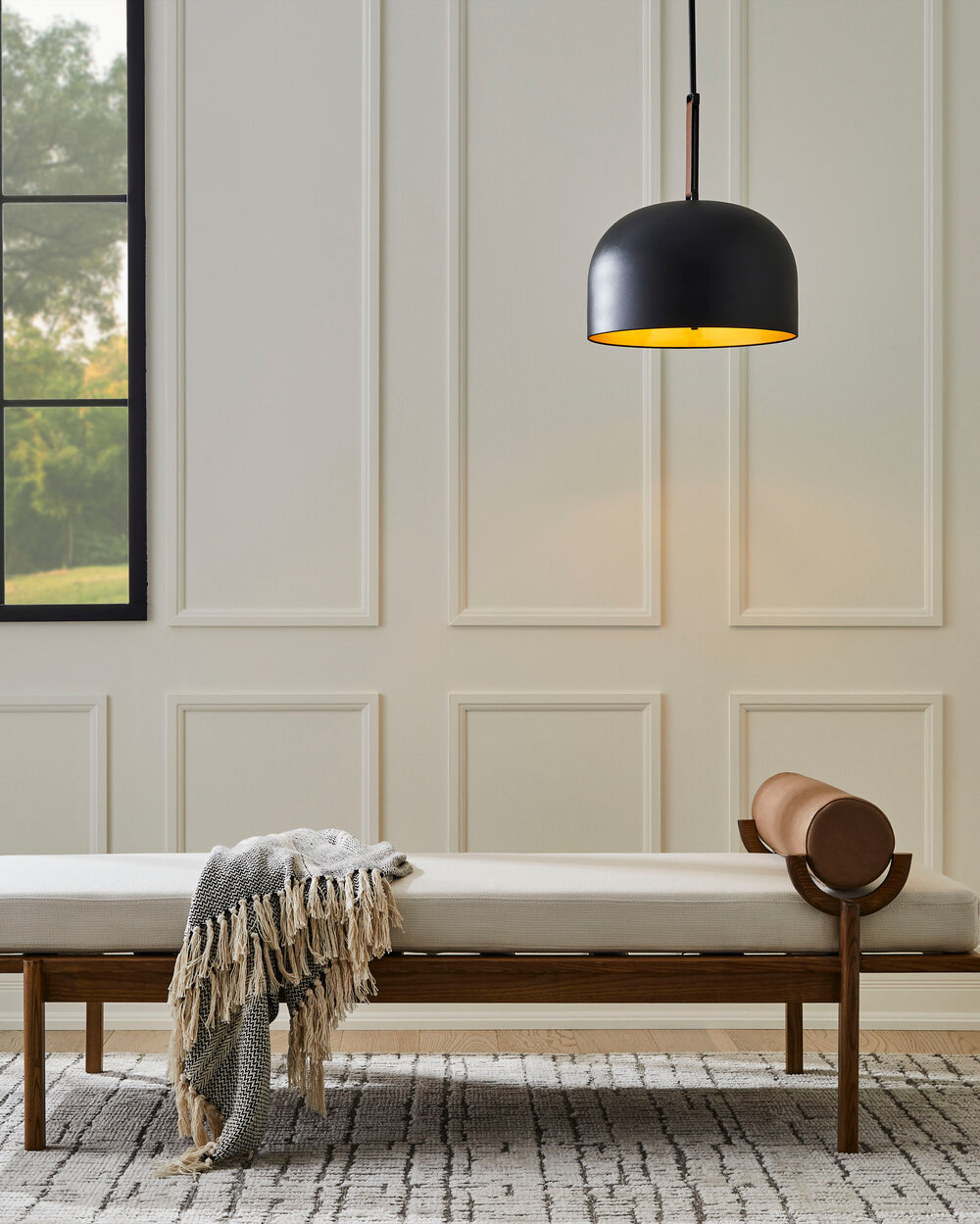
A smaller room can still feel calm, inviting, and beautifully considered. It’s often less about square footage and more about how the room is designed. Colour, furniture scale, light, and layout all play a role in how open a room feels. If you want to make a room feel bigger, a few thoughtful choices can go a long way. From using a lighter palette to improving flow, these decorating ideas can help a room feel brighter, more spacious, and easier to live in.
1. Use a Light Palette
One of the easiest ways to open up a room is through colour. Lighter shades reflect more light, which helps the room feel airier and less enclosed. Soft whites, warm neutrals, pale greys, and gentle taupes are all good choices if you want a room to feel calm and expansive.
For the strongest effect, carry those lighter tones across large surfaces such as walls, ceilings, and upholstered furniture. Painting the walls and ceiling in the same colour can also help blur visual breaks and create a more seamless look. That continuity draws the eye around the room rather than stopping it abruptly.
A lighter palette does not have to feel flat. Bring in warmth through wood finishes, aged brass, woven materials, and soft textiles. A wool rug, linen cushions, or a textured throw can keep the room feeling layered and comfortable while still light and open.
2. Add Mirrors to Reflect Light
Mirrors can do more than decorate a wall. They help bounce light around the room and create the illusion of greater depth, which is especially helpful in rooms that feel dim or enclosed. If you’re trying to make a room feel bigger, this is one of the most effective tricks.
Position a mirror where it can reflect natural light from a window or visually extend the room. That might mean hanging one across from a window, above a console, or at the end of a narrower room to create a longer sightline. The reflection helps the room feel brighter and more open without requiring any major changes.
It’s also worth thinking beyond wall mirrors. Mirrored furniture, glass surfaces, and other reflective finishes can have a similar effect in a more subtle way. Used thoughtfully, they help lighten the overall look of the room and keep it from feeling visually heavy.
3. Choose Furniture with a Lighter Profile
Furniture has a major impact on how spacious a room feels. Pieces that are overly bulky or sit heavily on the floor can make a room feel crowded very quickly. By contrast, furniture with slimmer lines and a more open profile allows more light and sightlines to move through the room.
Look for sofas, chairs, and tables with raised legs, narrower arms, or streamlined frames. That bit of visible space underneath helps the room feel less blocked in. Glass, metal, and lighter wood finishes can also help reduce visual weight, especially in tighter areas.
Scale matters too. A room doesn’t always need smaller furniture, but it does need furniture that feels proportionate. A few well-chosen pieces often work better than trying to fit in too much. When each item has room to breathe, the whole room feels more open.
4. Rethink Your Window Coverings
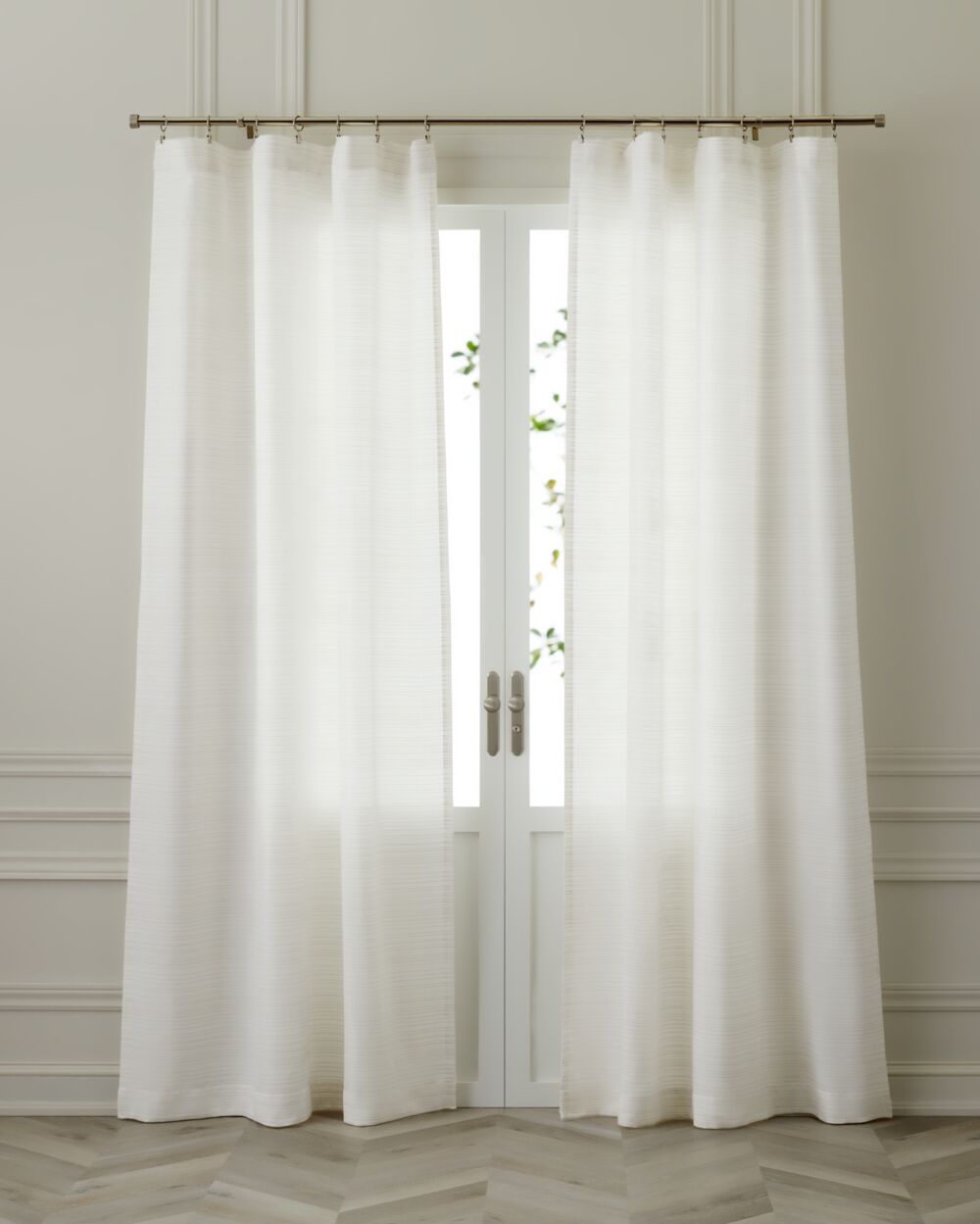
Window treatments can change the mood of a room instantly. In a smaller room, heavy drapery can sometimes make the space feel darker or more enclosed, especially if the fabric is bulky or blocks too much natural light.
A lighter approach often works better. Sheer drapery panels, roman blinds, or a layered combination of the two can keep the room feeling soft and finished without adding unnecessary weight. These options allow light to filter through while still offering privacy and texture.
Placement matters as well. Hanging drapery a little higher and wider than the window frame can help draw the eye upward and make the window appear larger. That, in turn, can make the whole room feel more expansive.
5. Consider Circulation and Keep it Clear
A room feels bigger when it’s easy to move through. Good circulation helps the layout feel more natural and less crowded, even when the footprint is modest. That’s why flow matters just as much as furniture and decor.
Start by thinking about how the room is used day to day. Leave clear pathways between major pieces and avoid blocking entrances, windows, or natural movement through the room. Even shifting one chair or side table can make a noticeable difference.
It also helps to be selective. Multifunctional pieces such as storage ottomans, nesting tables, or a bench that can move between rooms can add flexibility without overfilling the space. Clutter matters here too. If your goal is to make a room feel bigger, keeping surfaces edited and storage under control will have just as much impact as any design decision. A tidy room simply feels calmer, lighter, and more spacious.
Making a smaller room feel more open does not require a full renovation. Often, it comes down to a few smart choices that improve light, scale, and flow. A lighter palette, reflective surfaces, streamlined furniture, airy window treatments, and a clear layout can all help a room feel larger and more comfortable. The result is a home that feels easier to use, more inviting to spend time in, and beautifully balanced.
Photography by A Plus Creative